Masonry Upgrades That Boost Curb Appeal and Resale Value in the GTA
Updated: 1-Sep-2026
101
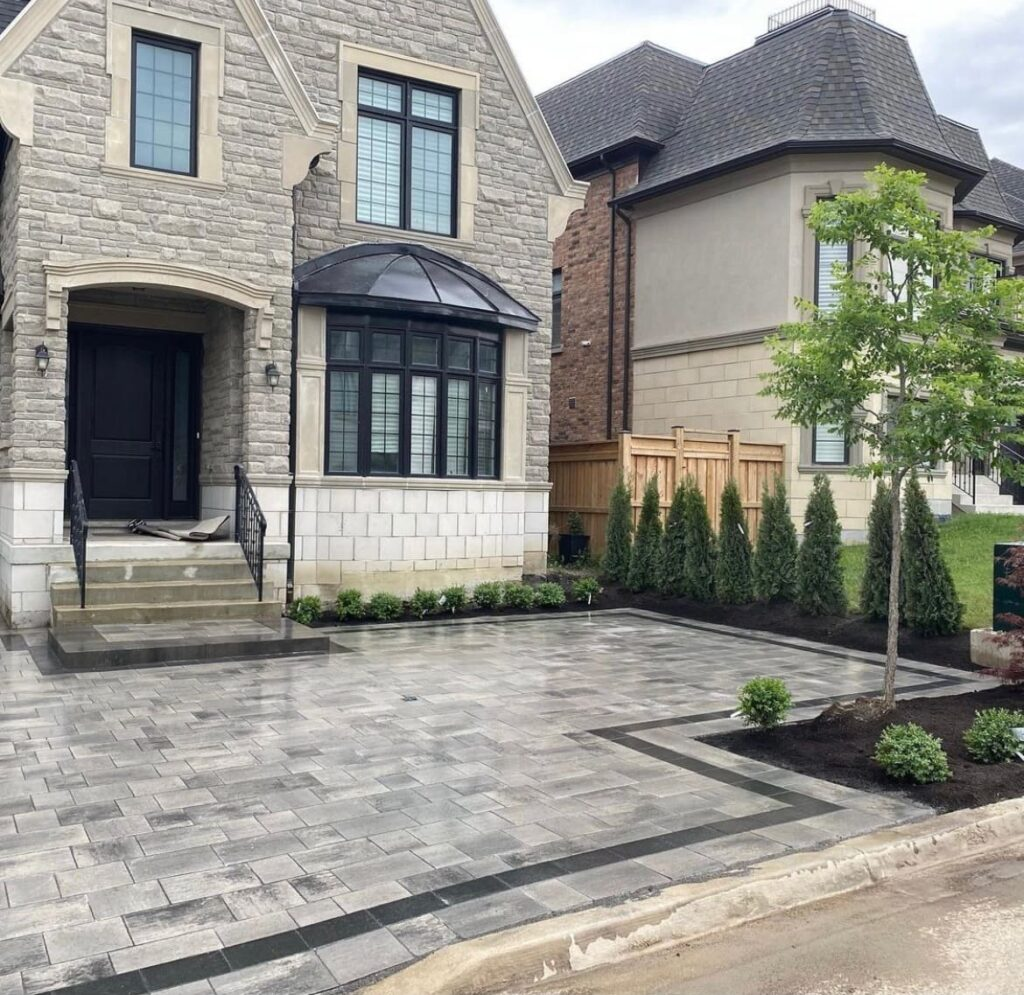
Curb appeal decisions get made in seconds. Research on buyer behaviour consistently shows that a home’s exterior forms a strong first impression well before anyone walks through the front door, and in a competitive market like the GTA, that first impression can meaningfully affect both how quickly a home sells and what buyers are willing to offer. Masonry sits at the centre of that first impression more than most homeowners realize, since brick, stone, and concrete make up a significant visual share of any home’s street-facing exterior.
Not every masonry project delivers equal value, though, and understanding which upgrades genuinely move the needle on buyer perception, versus which ones are nice-to-haves with limited return, helps homeowners prioritize spending whether they’re preparing to sell or simply want to enjoy a more appealing home in the meantime.
Why Masonry Condition Affects Buyer Perception So Strongly
Buyers, and the home inspectors many of them hire, tend to read visible masonry condition as a proxy for how well a home has been maintained overall. A home with crisp, well-pointed brick, a clean foundation, and a solid-looking chimney signals ongoing care even before anyone has assessed the mechanical systems or interior condition. Conversely, visible mortar deterioration, spalling brick, or a chimney that looks neglected raises questions in a buyer’s mind about what else might have been deferred, even if those other systems are actually in good shape.
This perception effect means that masonry maintenance often delivers value disproportionate to its actual cost. A repointing job that costs a few thousand dollars can shift a buyer’s overall impression of a property’s maintenance history far more than the dollar figure alone would suggest, because it removes a visible signal of neglect that buyers otherwise extrapolate across the whole home.
High-Impact Upgrades Worth Prioritizing
Repointing Visible Mortar Deterioration
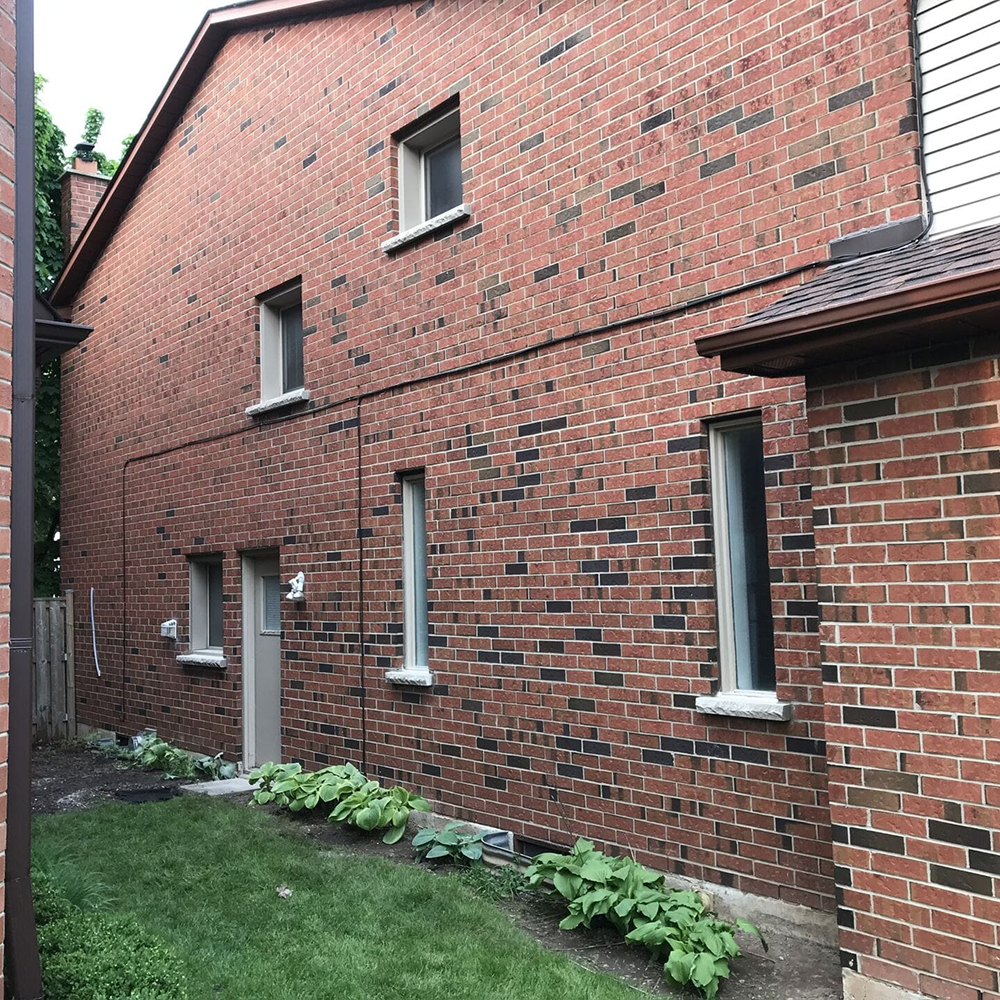
Of all masonry maintenance items, addressing visibly deteriorated mortar joints on street-facing elevations delivers some of the strongest return relative to cost. This is precisely the kind of issue a home inspector documents prominently, and buyers who see a report flagging mortar erosion often request a price reduction that exceeds what the brick restoration would have actually cost. Addressing it proactively, before listing, is consistently a better financial outcome than leaving it for a buyer’s negotiation.
Foundation Parging Renewal
A foundation with cracking, delaminating, or missing parging is visually prominent and easy for any buyer to notice without technical expertise, since it’s right at eye level along the base of the home. Fresh, properly applied parging gives the entire exterior a finished, well-maintained appearance and addresses one of the more commonly flagged items on a pre-listing inspection.
Chimney Repair and Cap Replacement
Chimneys are a focal point of a home’s roofline and are highly visible from the street. A chimney with cracked or missing crown material, an absent cap, or obvious mortar erosion draws the eye and reads as neglect, even to buyers with no specific masonry knowledge. Addressing visible chimney issues, particularly the crown and cap, is a relatively contained investment that meaningfully improves the overall silhouette buyers see when they first pull up to a property.
Front Walkway and Entrance Upgrades
The path from the street or driveway to the front door is one of the most psychologically significant spaces in a home’s exterior, since it’s the specific route every buyer physically walks during a showing. Upgrading a cracked concrete walkway to interlock or natural stone, or refreshing an existing interlock walkway with new joint sand and reset edges, creates a positive tactile and visual experience during exactly the moments a buyer is forming their first impressions.
Moderate-Impact Upgrades Worth Considering
Driveway Resurfacing or Replacement
Driveways represent a large visible surface area, and an aging, cracked asphalt driveway compared to a well-installed interlock alternative creates a noticeable difference in overall curb appeal. This is a larger investment than most masonry maintenance items, and the return depends significantly on the existing driveway’s condition; a driveway with isolated cracking that can be repaired delivers less incremental value from full replacement than one that’s genuinely deteriorated and detracting from the property’s appearance.
Entrance Feature Additions
Brick or stone entrance pillars, a refreshed front step in natural stone rather than plain concrete, or a small retaining wall defining a garden bed near the entrance all add visual interest to what’s otherwise a flat, unremarkable front elevation on many standard GTA homes. These additions work best as a coordinated design rather than a single isolated element, and they’re generally a moderate rather than essential investment, delivering good but not dramatic returns relative to cost.
Lower-Priority Upgrades for Resale Purposes
Not every masonry project delivers strong resale value, and understanding this helps homeowners avoid over-investing in upgrades that matter more to personal enjoyment than to buyer perception. Rear yard patio and retaining wall projects, while genuinely valuable for a homeowner’s own quality of life, are less visible during a typical showing and deliver more modest returns purely from a resale perspective compared to street-facing improvements. This doesn’t mean they’re not worth doing, only that homeowners planning a near-term sale should generally prioritize visible, street-facing masonry work first if budget is limited.
The Cost of Neglect: What Buyers and Inspectors Actually Flag

Home inspection reports consistently identify certain masonry conditions as noteworthy findings that affect buyer confidence and negotiation. Horizontal foundation cracks, regardless of their actual structural significance, tend to generate outsized buyer concern given how they’re often described in general home inspection education as a potential red flag. Visible chimney deterioration, particularly anything suggesting the chimney may not be safe for continued fireplace use, similarly triggers cautious buyer response. Widespread mortar erosion across multiple elevations, rather than isolated areas, signals a maintenance pattern that buyers tend to extrapolate to other unseen systems in the home.
Addressing these specific categories before listing, even if a homeowner doesn’t pursue a comprehensive exterior refresh, targets the issues most likely to affect actual buyer decision-making and negotiation outcomes.
Timing Masonry Improvements Around a Sale
Masonry work is seasonally constrained in Ontario, requiring temperatures consistently above 5°C for proper mortar and concrete curing, which limits the practical work window to roughly late April through mid-October. Homeowners planning a sale should factor this into their timeline; a home being prepared for a spring listing needs masonry work scheduled and completed the previous fall or very early in spring, while a home targeting a fall listing has more flexibility to complete work through the summer months.
Booking any planned masonry work well ahead of a listing date, rather than scrambling to schedule it once a sale decision has been made, avoids the situation where desired work can’t be completed in time and either delays the listing or requires listing with the issue still visible.
Balancing Investment Against Realistic Return
Not every homeowner preparing to sell should undertake every masonry improvement described here. The right approach depends on the current condition of the property, the price point and competitive positioning of the local market, and the specific findings a pre-listing inspection or a contractor’s assessment identifies as most consequential.
A reasonable framework is to prioritize addressing anything that would likely appear as a negative finding in a buyer’s inspection report first, since these items generate disproportionate negotiation friction relative to their actual repair cost. From there, visible curb-appeal improvements to street-facing elements deliver the next tier of value, while more substantial or purely aesthetic upgrades to less visible areas of the property are worth undertaking primarily for personal enjoyment rather than as a resale strategy.
For homeowners uncertain about where their property currently stands, a professional masonry contractor assessment before listing provides a clear, itemized understanding of what condition the exterior is actually in and which items are worth addressing given the specific timeline and budget available. This kind of assessment, done well ahead of a planned sale, gives homeowners the lead time to prioritize and schedule work appropriately rather than making rushed decisions once a listing date is set.
FAQ
Does fixing masonry issues before listing typically pay for itself?
For issues that would otherwise appear as negative findings in a buyer’s home inspection, such as significant mortar deterioration or visible chimney problems, addressing them before listing frequently costs less than the price reduction a buyer would negotiate after their own inspection identifies the same issue. For purely cosmetic upgrades without an underlying maintenance concern, the return is less certain and depends more on local market conditions and buyer expectations in the specific price range and neighbourhood.
Should I get a pre-listing inspection to identify masonry issues before buyers do?
Many real estate professionals recommend pre-listing inspections specifically because they let sellers address findings on their own timeline and often at lower cost than a rushed repair negotiated during a buyer’s conditional period. For masonry specifically, a pre-listing assessment from a masonry contractor, in addition to or instead of a general home inspection, can provide more detailed and actionable information about what repairs are genuinely warranted versus cosmetic.
Is it worth doing major masonry work if I’m planning to sell within the next year?
It depends on the scope and cost of the work relative to its likely impact on sale price and speed. Addressing clear maintenance deficiencies, particularly anything likely to be flagged in an inspection, is generally worthwhile even close to a planned sale. Larger discretionary projects, such as a full driveway replacement or an extensive rear yard renovation, warrant more careful consideration of whether the investment will be recovered given the specific timeline, since these larger projects have less certain resale return than addressing clear deficiencies does.
Do buyers in the GTA specifically care more about masonry condition than in other markets?
Given the GTA’s high concentration of brick residential construction, masonry condition is a more prominent factor in local buyer perception than it might be in markets dominated by other exterior materials like vinyl siding or stucco. This holds true whether the property is in central Toronto, Pickering masonry markets, or the broader 905 region, since brick homes are the norm across virtually the entire GTA, which means buyers and their inspectors are generally attentive to and knowledgeable about masonry condition specifically, making it a more consistently scrutinized element of any GTA home sale than it might be elsewhere.
Please Write Your Comments