Beyond PPE: Why Industrial Enclosure Hardware is Critical for Workplace Safety
Updated: 31-Jul-2026
45
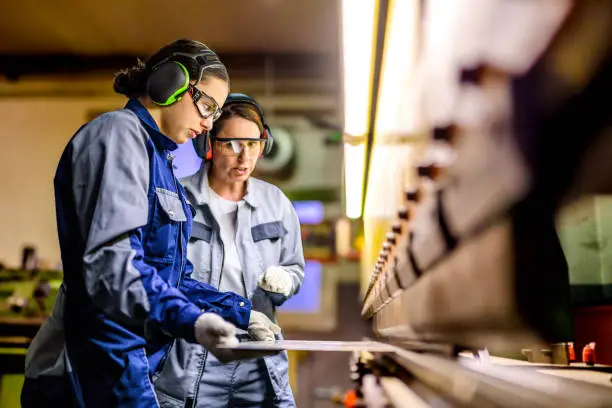
When discussing “industrial safety,” the immediate image that comes to mind is often a worker fully outfitted in high-visibility gear, helmets, and safety goggles. While this personal protective equipment is undoubtedly critical, it is not the first line of defense. The true foundation of accident prevention lies in the physical structures of the machinery itself, specifically, the secure enclosures that isolate operators from catastrophic hazards.
The Hidden Role of Hardware in Equipment Safety
Industrial machinery operates under extreme stress. Cabinet doors, industrial ovens, and high-voltage electrical boxes rely entirely on their foundational hardware to maintain structural integrity. If these seemingly minor components such as hinges or latches fail, the results can be fatal.
When machinery operates under high vibration or extreme temperatures, standard commercial hardware degrades quickly, leading to unsecured panels and potential hazard exposure. Upgrading to specialized kunlong and secure latches which are engineered to withstand over 24,000 operational cycles ensures that dangerous components remain fully isolated from the workforce, effectively neutralizing the risk before it ever reaches the operator.
Key Hazards Mitigated by Secure Enclosures
Moving Parts and Mechanical Hazards
In environments characterized by continuous vibration, unsecured machinery poses a severe threat. If a latch loosens on an enclosure housing rotating assemblies or crush-points, workers are immediately exposed to mechanical hazards.
Secure hardware ensures these vibrating doors remain tightly sealed. By integrating reliable enclosures, facilities reduce the need for specialized Mechanical Personal Protective Equipment , stopping the mechanical hazard at the source.
High-Temperature and Electrical Hazards
Industrial testing chambers and power distribution panels present invisible but lethal dangers. An improperly sealed enclosure can result in severe heat leakage or, worse, increase the likelihood of an Arc Flash.
Properly compressed latches and hinges maintain the tight seals necessary to contain thermal and electrical energy. Even the best Electrical PPE is secondary to a fully sealed, structurally sound electrical cabinet.
Hardware Selection Criteria for Maximum Safety
Load-Bearing Capacity & Precision
The structural integrity of a heavy cabinet door relies heavily on precision manufacturing. Hardware engineered with tight tolerances (e.g., less than 0.0005mm) prevents enclosure deformation over time.
High load-bearing capacity ensures that heavy doors do not sag. A sagging door inevitably breaks the environmental seal, immediately compromising the safety rating of the entire machine.
Resistance to Extreme Environments
Industrial environments regularly expose hardware to corrosive chemicals and extreme temperature fluctuations. Using corrosion-resistant materials and specialized coatings prevents metal fatigue.
When hardware resists environmental degradation, its Cycle Life is vastly extended. This durability directly translates to sustained safety and reduced risk of unexpected structural failure.
Key Takeaways
| Area | Key Takeaway | Impact/Data |
| Strategy | Prioritize engineering controls over PPE | Neutralizes threats at source |
| Durability | Upgrade to specialized industrial hardware | Withstands >24,000 operational cycles |
| Precision | Require extreme manufacturing tolerances | <0.0005mm prevents dangerous door sag |
| Sealing | Maintain tight environmental/electrical seals | Prevents fatal Arc Flash incidents |
| Materials | Mandate corrosion-resistant coatings/materials | Vastly extends Cycle Life |
Engineering Controls vs. Personal Protective Equipment
Understanding the layers of safety requires recognizing the difference between protecting the worker and neutralizing the threat. While personal protective equipment is an essential safety net, it is functionally the final barrier between a worker and a hazard.
According to the foundational occupational safety guidelines on the Hierarchy of Controls, physically isolating people from hazards through robust engineering controls—such as secure, lockable machinery enclosures—is universally recognized as a significantly more effective risk-reduction strategy than relying solely on PPE.
A robust industrial safety culture is not defined solely by what workers wear. It is deeply embedded in the foundational physical structure of the facility’s equipment and the uncompromising reliability of its industrial hardware.
Please Write Your Comments