Safe Food, Safe Staff: Why Equipment Choice Is the Backbone of Commercial Kitchen Safety
Updated: 24-Jul-2026
38
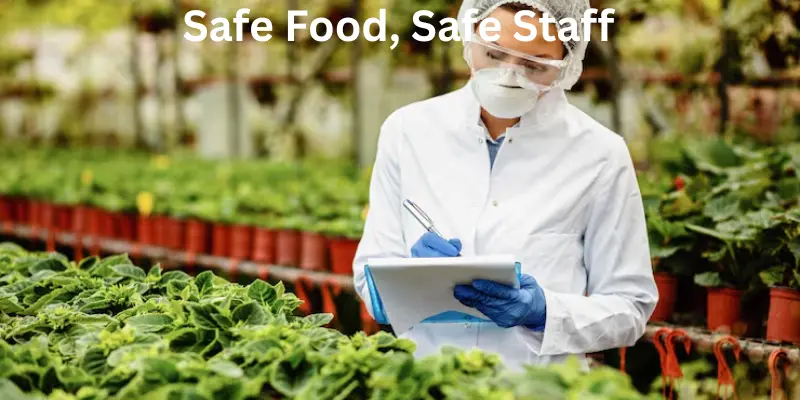
When people think about workplace safety in hospitality, they usually picture non-slip mats, cut-resistant gloves and wet-floor signs. Those things matter, but they sit at the end of a much longer chain. In a commercial kitchen, the biggest safety decisions are made before a single shift is rostered — when the equipment is chosen.
Refrigeration is food safety infrastructure
Food-borne illness remains one of the most common risks in any food business, and temperature control is the front line. Commercial refrigeration is engineered for constant door openings, hot ambient kitchens and full-shelf loads — conditions that domestic units simply aren’t built to handle. Underpowered or ageing fridges drift out of safe temperature ranges during service peaks, and by the time anyone notices, stock may already be compromised.
Fit-for-purpose units, sized to the venue’s actual volume, keep produce inside safe holding temperatures even during the busiest periods. Australian suppliers such as Commercial Kitchen Appliances stock purpose-built commercial fridges across formats — upright storage, underbench units and display cabinets — which makes it easier for operators to match capacity to workload instead of overloading a unit that was never designed for it.
Placement matters as much as the unit itself. Refrigeration needs clearance for airflow, and compressors pushed hard in cramped, hot corners fail early — usually at the worst possible time. Leave service access, keep condensers clean, and log temperatures daily so drift is caught before stock is lost.
Cooking equipment: controlled heat is safer heat
Burns and smoke-related incidents cluster around equipment that is either poorly maintained or being used outside its design limits. A venue pushing a light-duty oven through heavy service loads is running hotter, longer and closer to failure than the manufacturer intended.
Commercial-grade ovens are built with heavier insulation, sturdier door mechanisms and controls designed for constant use. Choosing from a dedicated commercial oven range — whether convection, combi or range-style — means the equipment’s duty cycle actually matches the kitchen’s output, which reduces surface-temperature hazards, uneven cooking and the temptation for staff to improvise workarounds.
Improvisation is the quiet killer in kitchen safety. When equipment can’t keep up, staff prop doors, override settings, or shuttle hot trays through walkways never meant for that traffic. The fix is rarely another poster in the staff room; it’s equipment that matches the workflow.
Build the habit loop around the hardware
Good equipment lowers baseline risk, but it doesn’t eliminate the need for routine:
- Schedule preventive maintenance rather than waiting for breakdowns — a failed fridge on a Friday night is a food-safety incident, not just a repair bill.
- Train every new starter on the specific models in the kitchen, not generic procedures.
- Keep clear access zones around ovens and refrigeration so PPE and safe handling practices actually have room to work.
- Record temperature checks and service dates where the whole team can see them.
Safety culture and equipment quality reinforce each other. A kitchen fitted out with gear designed for commercial workloads gives its people a fighting chance to follow the procedures they’ve been trained on — and that’s where genuinely safer workplaces begin.
Please Write Your Comments