Midwest U.S. Chamber Vacuum Sealer Performance Standards
Updated: 8-Jul-2026
91
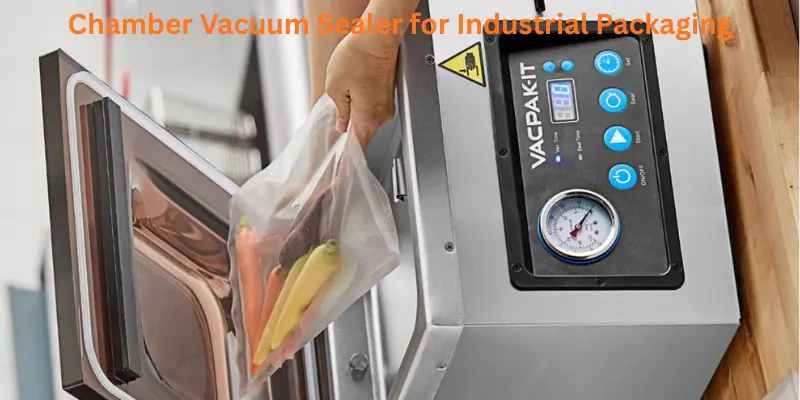
Manufacturers throughout the Midwest depend on reliable packaging systems to maintain production efficiency, protect product quality, and support consistent distribution. Whether processing meat, dairy, prepared foods, pharmaceuticals, or industrial materials, selecting the right chamber vacuum sealer directly affects packaging performance and operational reliability.
Equipment performance standards extend beyond sealing alone. Today’s industrial operations require dependable vacuum performance, repeatable seal quality, efficient production cycles, and equipment that integrates smoothly with existing packaging workflows. When these standards are met, manufacturers can reduce downtime, improve packaging consistency, and support long-term operational efficiency.
Understanding the key performance benchmarks helps buyers select equipment that aligns with their production goals while supporting future growth.
Consistency in Seal Integrity Matters
A dependable chamber vacuum sealer for industrial packaging begins with one critical requirement: consistent seal integrity. Every package leaving the production line should deliver the same level of sealing performance regardless of production volume. Inconsistent seals can lead to package failures, product loss, additional inspections, and unnecessary rework.
Manufacturers should routinely evaluate several aspects of sealing performance:
- Uniform seal width across every package.
- Consistent sealing temperature throughout production.
- Reliable vacuum retention after packaging.
- Proper compatibility between packaging materials and machine settings.
- Repeatable results across multiple production shifts.
Consistent sealing is particularly important for facilities processing meat, dairy products, prepared foods, pharmaceuticals, and other products that require dependable package integrity during transportation and storage. Routine quality inspections also become easier when equipment produces repeatable sealing performance. Operators can identify potential issues quickly before they affect larger production runs, supporting continuous improvement throughout the packaging process.
Industrial packaging equipment designed for commercial production environments helps manufacturers maintain these standards while minimizing unnecessary interruptions.
Throughput Rates That Support Productivity
Production throughput remains one of the most important performance measurements for Midwest manufacturers. A well-designed chamber vacuum sealer should maintain reliable cycle times without sacrificing package quality. Faster production is valuable only when every package continues to meet operational quality standards.
Several factors contribute to higher throughput:
- Efficient chamber design.
- Simple operator controls.
- Fast product loading and unloading.
- Reliable vacuum generation.
- Consistent sealing performance throughout extended production.
Facilities processing multiple product sizes also benefit from equipment that accommodates quick parameter adjustments between production runs. Reducing setup time allows operators to move efficiently between product changes without disrupting production schedules. When vacuum packaging equipment integrates smoothly into an existing production line, overall workflow becomes more predictable and easier to manage.
Vacuum Strength Supports Product Protection
Vacuum performance directly influences packaging consistency across many industrial applications. Removing air from packages helps reduce oxygen exposure while creating a secure environment for packaged products. The appropriate vacuum level depends on the product being packaged, making adjustable machine settings an important feature for many manufacturers.
Proper vacuum control supports operations that package:
- Fresh meat and poultry.
- Processed food products.
- Cheese and dairy items.
- Prepared meals.
- Industrial materials requiring protective packaging.
Operators should verify vacuum settings regularly to ensure they remain appropriate for current production requirements. Different products may require different vacuum levels to preserve product appearance while maintaining package integrity. Modern chamber vacuum sealers provide operators with repeatable controls that simplify production while helping maintain consistent results across every batch.
Maintaining Equipment for Peak Performance
Even the most capable packaging equipment requires routine maintenance to continue operating efficiently. Preventive maintenance reduces unexpected downtime while helping manufacturers maintain steady production schedules throughout the year. An effective maintenance routine typically includes:
- Cleaning the chamber after each production shift.
- Inspecting chamber gaskets for wear.
- Examining seal bars and heating elements.
- Monitoring vacuum pump performance.
- Checking pneumatic and electrical components according to manufacturer recommendations.
Regular inspections also allow maintenance teams to replace worn components during scheduled service instead of responding to unexpected equipment failures. Maintaining detailed maintenance records makes it easier to identify recurring issues and schedule service before production is affected.
Equipment Integration Improves Workflow
Packaging equipment performs best when it operates as part of a coordinated production system rather than as a standalone machine. Many Midwest manufacturers integrate chamber vacuum sealers with upstream and downstream packaging equipment to improve operational efficiency.
A complete packaging workflow may include:
- Product preparation.
- Filling operations where applicable.
- Vacuum packaging.
- Product inspection.
- Labeling and coding.
- Conveyor transport.
- Case packing and palletizing.
Coordinated workflows reduce unnecessary product handling while helping facilities maintain consistent production rates throughout the day. Technopack supports complete packaging operations with industrial equipment designed to work together across multiple stages of production.
Additional industrial sealing equipment can be found here:
https://technopackcorp.com/collections/bag-sealing-machines
Performance Standards That Matter
While production goals vary between facilities, several performance standards remain important across nearly every industrial packaging operation.
These include:
- Reliable seal consistency.
- Repeatable vacuum performance.
- Efficient production throughput.
- Straightforward equipment maintenance.
- Compatibility with existing packaging lines.
- Durable construction for industrial environments.
- Access to replacement parts and technical support.
Evaluating equipment against these standards helps manufacturers select packaging solutions that support both current production requirements and future expansion.
Supporting Midwest Manufacturers
Midwest manufacturers operate in demanding production environments where reliability directly affects productivity.
Selecting a chamber vacuum sealer involves more than comparing specifications. Long-term value comes from equipment that delivers consistent packaging performance, integrates efficiently with production lines, and remains easy to maintain throughout its service life.
Technopack supplies industrial packaging equipment supported by U.S.-based inventory and technical assistance, helping manufacturers minimize downtime while maintaining dependable packaging performance. By focusing on consistent seal integrity, efficient throughput, preventive maintenance, and complete workflow integration, facilities can build packaging operations that support productivity and long-term operational success.
Please Write Your Comments