How should residents handle green waste and FOGO in Hobart and Tasmanian councils?
Updated: 22-Jun-2026
17
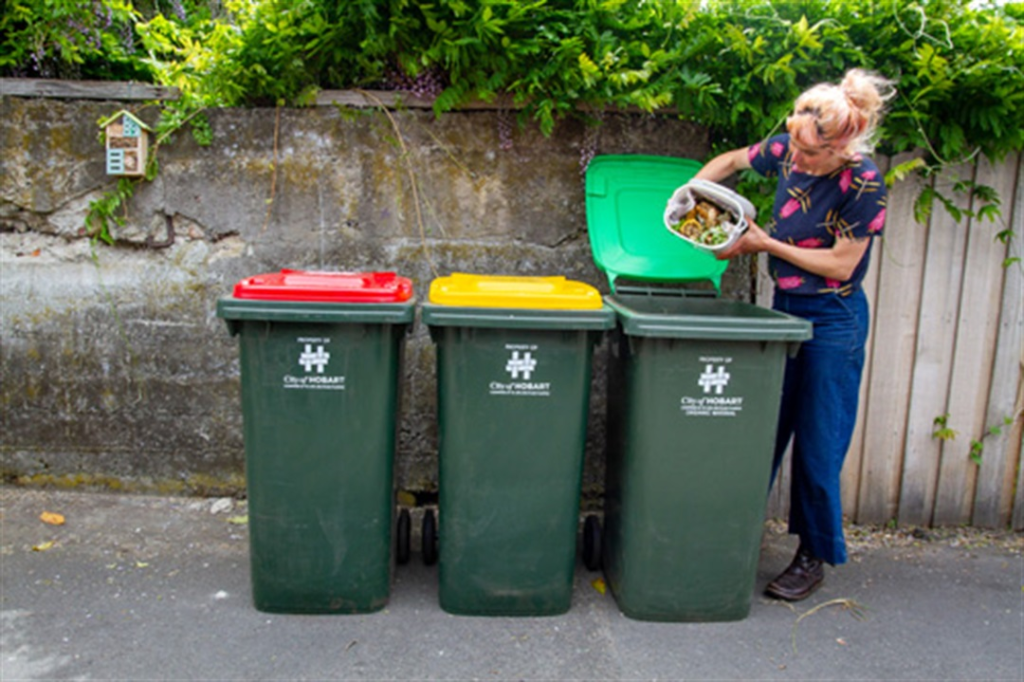
Green waste and FOGO (Food Organics and Garden Organics) management form a cornerstone of waste reduction strategies in Hobart and broader Tasmania. With the introduction of dedicated green bins in many municipalities, households can divert significant organic material from general rubbish, turning potential landfill contributors into compost or mulch that benefits soils. FOGO bins typically accept kitchen scraps like vegetable peelings, coffee grounds, and meat bones (in some systems), alongside lawn clippings, weeds, and small garden prunings. Limits apply—no large branches or soil-heavy loads in kerbside bins—to maintain collection efficiency.
Collection frequencies often differ: FOGO might run weekly to prevent odours, while general waste and recycling alternate fortnightly. Proper preparation involves using bin liners that are compostable or paper bags for wet food waste, keeping lids closed, and avoiding plastics or contaminants that could compromise the entire batch. This organic stream is processed into high-quality products used in local agriculture, landscaping, and parks, closing the nutrient loop in an island state reliant on sustainable practices.
For excess green waste beyond bin capacity, such as after major pruning or storm damage, drop-off at waste management centres is standard. Facilities often have lower fees for clean green waste, encouraging separation. Home composting is highly recommended: simple heaps, tumblers, or worm farms suit different property sizes and produce free soil improver. In urban Hobart, where space might be limited, bokashi systems or community composting hubs provide alternatives. Education on what qualifies as acceptable FOGO helps—avoid diseased plants in some cases or invasive weeds that might spread during processing.
Tasmania’s cool, wet climate affects decomposition rates, making winter management trickier with slower breakdown and potential smells, so balancing carbon (leaves, cardboard) with nitrogen-rich scraps is key for home systems. Councils promote these methods through guides and workshops, aiming to cut household waste significantly. In rural areas, on-site management via chipping or larger compost piles is common, reducing transport needs. Seasonal peaks around spring and autumn clean-ups test the system, highlighting the value of advance planning.
Broader benefits include reduced methane emissions, lower council processing costs, and healthier gardens. Challenges arise with contamination, where non-organics slip in and cause issues downstream. Residents should familiarize themselves with local A-to-Z waste guides listing specifics for items like Christmas trees or palm fronds. Integrating FOGO habits with recycling and waste reduction creates a comprehensive approach that eases pressure on infrastructure. Over years, widespread adoption supports Tasmania’s environmental targets, preserving bushlands and waterways while fostering community resilience to waste issues. By treating organics as resources rather than rubbish, households contribute meaningfully to a circular system suited to the state’s unique ecology.
Hobart Rubbish Removal // Hobart Rubbish Services // Skip Bin Hire
Please Write Your Comments