Safety Comes First: What Happens After Major Property Damage
Updated: 16-May-2026
4
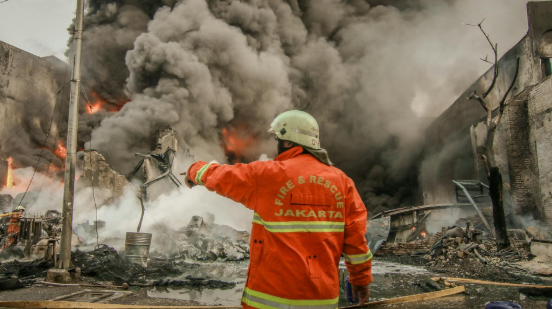
Major property damage has a way of stopping life in its tracks. Whether it’s caused by fire, flooding, storms, or another unexpected event, the aftermath is often chaotic. There’s shock, uncertainty, and an overwhelming number of decisions to make—many of them under stress. In those first moments, it’s easy to focus on what’s been lost. But the most important priority isn’t repairs or insurance paperwork. It’s safety.
Understanding what happens after major property damage—and why each step matters—can help property owners, families, and businesses move forward with clarity instead of panic. While every situation is different, the sequence of priorities remains largely the same: protect people first, stabilize the structure, and then begin the recovery process.
The Immediate Aftermath: Securing People and Space
The moments following a major property incident are critical. Before anyone thinks about cleanup or restoration, the focus must be on ensuring that everyone is safe. Structural damage, exposed electrical systems, gas leaks, and contaminated water can pose serious risks even after the initial event has passed.
Emergency responders typically assess whether a building is safe to enter. If there’s any doubt, staying out is essential. What looks like minor damage can conceal compromised beams, weakened foundations, or electrical hazards that aren’t immediately visible.
This phase is about restraint as much as action. Avoiding unnecessary entry, shutting off utilities when advised, and following official guidance protects people from secondary injuries that often occur after the initial incident.
Stabilizing the Property to Prevent Further Damage
Once people are safe, attention turns to preventing the situation from getting worse. Damage doesn’t stop evolving just because the event is over. Water spreads, smoke residue corrodes surfaces, and exposed areas invite weather, pests, and mold.
Temporary stabilization measures—such as boarding up windows, tarping roofs, or extracting standing water—are often the next step. These actions don’t restore the property, but they slow deterioration and protect what remains.
At this stage, many property owners turn to an emergency damage restoration company because speed and expertise matter. Proper stabilization requires knowledge of building systems and materials, ensuring that temporary fixes don’t introduce new problems or compromise future repairs.
Understanding the Hidden Damage
One of the most challenging aspects of major property damage is what can’t be seen right away. Moisture can seep behind walls and under flooring. Smoke particles can lodge deep into porous materials. Structural stress may not be obvious until weight is applied.
Professional assessments are critical here. Trained specialists use moisture meters, thermal imaging, and structural evaluations to identify damage that would otherwise go unnoticed. Addressing only visible issues often leads to long-term complications, including mold growth, weakened materials, and repeated repairs.
This is why rushing into cosmetic fixes can be risky. True recovery starts with understanding the full scope of damage, not just what’s immediately apparent.
Navigating Insurance Without Losing Momentum
Insurance is meant to support recovery, but the process can feel daunting—especially when emotions are already running high. Documenting damage thoroughly and early is essential. Photos, videos, and written descriptions help create an accurate record before cleanup begins.
Clear communication with insurers helps keep the process moving. Understanding what your policy covers, what documentation is required, and how timelines work can reduce frustration later. While insurance decisions may take time, stabilization and mitigation should not be delayed while waiting for approvals.
Separating immediate safety and damage control from longer-term claims decisions allows recovery to move forward without unnecessary setbacks.
Why Professional Restoration Is About More Than Repairs
Restoration is not simply construction. It’s a controlled process designed to return a property to a safe, functional condition while minimizing future risk. This involves careful drying, cleaning, decontamination, and structural repair—all coordinated in the correct sequence.
Professionals trained in restoration understand how materials respond to fire, water, and impact. They know when something can be salvaged and when replacement is the safer option. Just as importantly, they follow industry standards designed to protect occupants long after the visible damage is gone.
This approach prioritizes health and safety, not just appearance. A property that looks repaired but retains hidden damage can pose ongoing risks.
Emotional and Practical Recovery for Occupants
Major property damage affects more than buildings. It disrupts routines, displaces families, and creates emotional strain. The uncertainty of where to live, how long repairs will take, and what life will look like afterward can be overwhelming.
Clear communication and realistic timelines help reduce anxiety. Knowing what steps come next—and why—gives occupants a sense of control during an otherwise unpredictable time. Temporary housing arrangements, salvaging personal belongings, and planning for re-entry all become part of the recovery journey.
Acknowledging the emotional impact alongside the physical damage is an important part of moving forward.
Long–Term Safety and Preparedness
Once restoration is complete, many property owners find themselves thinking differently about preparedness. Improvements made during rebuilding—such as upgraded materials, better drainage, or enhanced fire resistance—can reduce future risk.
Learning from the experience often leads to better emergency plans, clearer insurance coverage, and faster responses if something happens again. While no one wants to repeat the experience, preparation can make future incidents far less disruptive.
Major damage is a harsh teacher, but it often results in stronger, safer properties when recovery is handled thoughtfully.
Conclusion
After major property damage, safety must always come first. Protecting people, stabilizing the structure, and addressing hidden risks are the foundation of effective recovery. While repairs and rebuilding are important, they only make sense when done in the right order and with a clear understanding of the damage involved.
By prioritizing safety, acting quickly to prevent further deterioration, and relying on informed restoration practices, property owners can move from crisis to recovery with confidence. The path forward may not be easy, but when safety leads the way, it is far more secure.
Please Write Your Comments