How a Modern Pallet Wrapper Improves Warehouse Efficiency
Updated: 15-May-2026
149
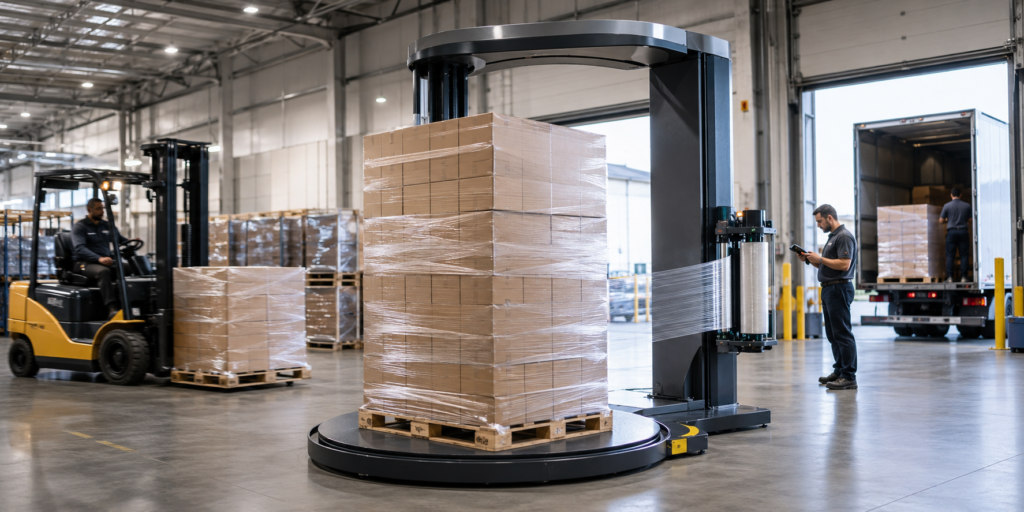
Why Small Slowdowns Impact Large Distribution Networks
Most warehouse problems do not start with major breakdowns. Usually, it is smaller operational slowdowns that build up during the day. Dispatch falls behind slightly, pallets take longer to prepare, and staff spend extra time fixing unstable loads before trucks leave the facility.
That becomes more noticeable in busy facilities handling continuous shipments across Melbourne, Brisbane, and regional distribution centres where timing affects everything downstream. As order volume increases, many businesses eventually realise manual wrapping creates more delays than expected. This is often when upgrading to a modern pallet wrapper starts becoming part of the conversation.
Dispatch Areas Move Faster With Automated Wrapping
Manual pallet wrapping usually works fine at lower shipment volumes. However, once warehouses start processing larger daily dispatch numbers, wrapping speed begins affecting the overall workflow. Staff spend more time preparing loads, forklifts wait longer near dispatch zones, and packing teams start working around delays instead of moving continuously.
Automated wrapping systems help keep pallets moving through dispatch more consistently because the process becomes quicker and more uniform throughout the shift. That difference is usually obvious during busier periods when trucks are arriving back to back and dispatch deadlines become tighter.
Improving Load Stability for Long-Haul Transport
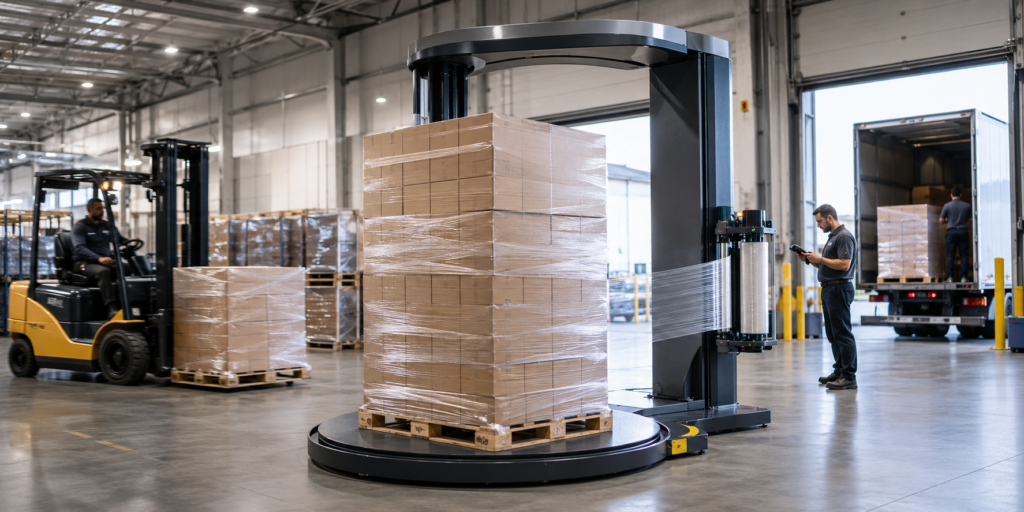
Load stability becomes more important once products travel longer distances. Warehouses shipping stock between Sydney, Adelaide, and regional areas often deal with movement during transport if pallets are not secured evenly. Manual wrapping can vary quite a bit depending on who is handling the load and how rushed the shift becomes.
Modern wrapping equipment applies film with a specific containment force that is difficult to replicate by hand. This consistent tension helps reduce shifting during transit and significantly lowers the chance of damaged stock arriving at delivery points, which protects the business from costly return logistics.
Reducing WHS Risks and Staff Fatigue
Manual wrapping is physically demanding work. Staff repeatedly bend, walk backwards around pallets, and stretch film continuously throughout the day. In the Australian summer, especially in warmer warehouse conditions, fatigue starts slowing the pace of work and increasing the risk of injury.
Automated systems reduce a large portion of that repetitive manual handling. By addressing the Work Health and Safety (WHS) risks associated with repetitive bending and pulling, warehouse teams can focus more on stock movement, scanning, and dispatch preparation. Businesses handling high daily shipment volumes usually notice a smoother workflow once wrapping stops consuming so much physical energy.
Better Control Over Film Usage and Costs
Warehouses using manual wrapping often go through more stretch film than expected. Staff naturally apply extra film when trying to secure unstable or oversized loads quickly. Across hundreds of shipments each week, that additional material use starts increasing packaging costs more than many businesses realise initially.
Many modern wrappers feature pre-stretch carriages that can stretch film by 200% or more. This means the machine uses significantly less film to achieve a stronger hold than a manual operator could. That becomes valuable for warehouses managing high dispatch volumes where packaging materials are a constant operational expense.
Consistency Helps During Peak Demand Periods
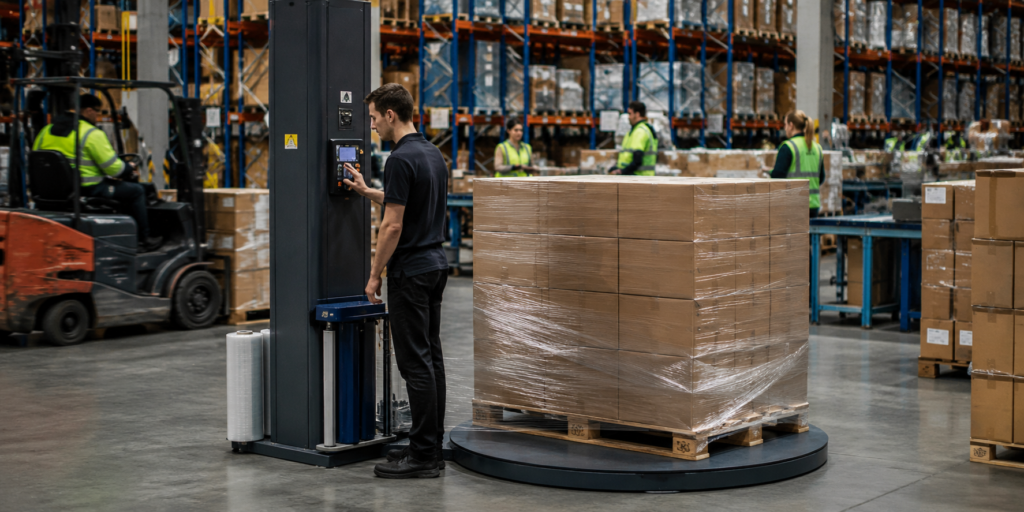
Peak periods expose weak points inside warehouse operations quickly. Processes that feel manageable during quieter weeks often become difficult once shipment volume rises. Wrapping delays during these periods can affect dispatch timing, loading schedules, and transport coordination across the warehouse.
Businesses using automated wrapping equipment usually handle these periods more smoothly because pallet preparation remains consistent even when order numbers increase significantly.
Warehouse Operations Become Easier to Scale
Growth creates pressure on warehouse systems. A process that works comfortably for fifty daily shipments may struggle once that number doubles. Manual wrapping is often one of the first areas where delays appear because the workload increases directly with shipment volume.
Modern wrapping equipment helps businesses manage higher output without needing to increase manual handling at the same pace. For warehouses planning long-term growth, that efficiency becomes important once daily operations start moving faster across receiving, storage, and dispatch areas.
Why More Australian Warehouses Are Upgrading
Warehouse operations are under more pressure now than they were a few years ago. Dispatch windows are tighter, transport schedules leave less room for delays, and damaged deliveries create extra costs businesses would rather avoid.
Many warehouses upgrading their wrapping systems are simply trying to keep operations moving efficiently as shipment volume continues increasing. Once pallet preparation becomes faster and more consistent, the entire dispatch process usually starts running more smoothly as well.
Please Write Your Comments