Common Machine Shop Safety Risks and How to Prevent Them
Updated: 8-May-2026
182
Machine shops combine rotating tools, fast-moving cuts, flying metal chips, coolants, and the heavy movement of materials in small areas. All these combined elements create an environment in which serious injuries can occur within seconds of being distracted from the job.
Most safety publications consider each hazard individually, ignoring how one hazard relates to another. In reality, the hazards do relate. An accident caused by a coolant spill is not just a slip and fall hazard, but could lead to a new hazard as the operator rushes to complete tasks. Increased pressure to produce may cause the machinist to cut corners in handling the tools. Understanding these relationships is crucial to develop effective preventative measures.
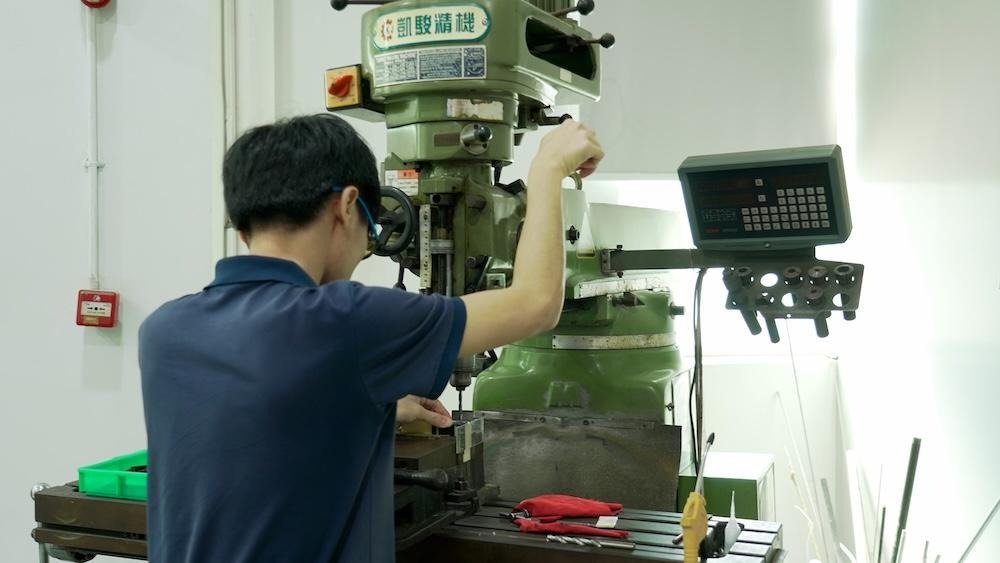
The following sections examine the most common failure modes in manufacturing environments, their causes, and prevention strategies based on actual operating experience.
Entanglement with Rotating Parts
Many of the most severe types of injuries in environments providing CNC machining services are caused by employees becoming entangled with moving (rotating) components of various types of equipment. Lathe chucks, milling spindles, and drill presses have enough “pull” force to drag clothing, hair, or portions of the employee’s body into the machinery before the employee recognizes the potential hazards. A lathe chuck operating at 800 RPM can make over thirteen (13) complete revolutions every one (1) second. In addition, if a sleeve were to be caught on an extending bolt, it would wrap completely around the bolt almost instantly.
Incidents where employees become entangled with rotating machinery can include reaching over the running spindle to clean the coolant lines, reaching into the machining zone to remove chips from the workpiece while the machining cycle is still in progress, and attempting to remove burrs from the finished workpiece during the machining cycle.
The most common way to prevent such accidents from occurring is through some combination of training, enforcement of procedures, and warning signs. Some shops utilize interlocking chuck guards that cannot be opened while the spindle is in motion. Shops that bypass or remove these guards to improve visibility or save time do so at their own peril. Training demonstrations are much more effective than written warnings. For example, demonstrating how a glove or rag will be drawn into a chuck at lower speeds will clearly illustrate the hazard mechanisms involved. Employees will retain this visual image during actual use.
An additional complicating factor to the above problems is increased production pressures. As a general rule, the faster an employee works, the less time they spend waiting for the equipment to come to a complete stop. Therefore, employees often feel compelled to take risks to avoid being required to shut down the equipment. It is therefore the responsibility of the supervisor to ensure that employees understand the importance of properly shutting down the equipment.
Flying Metal Chips and Debris
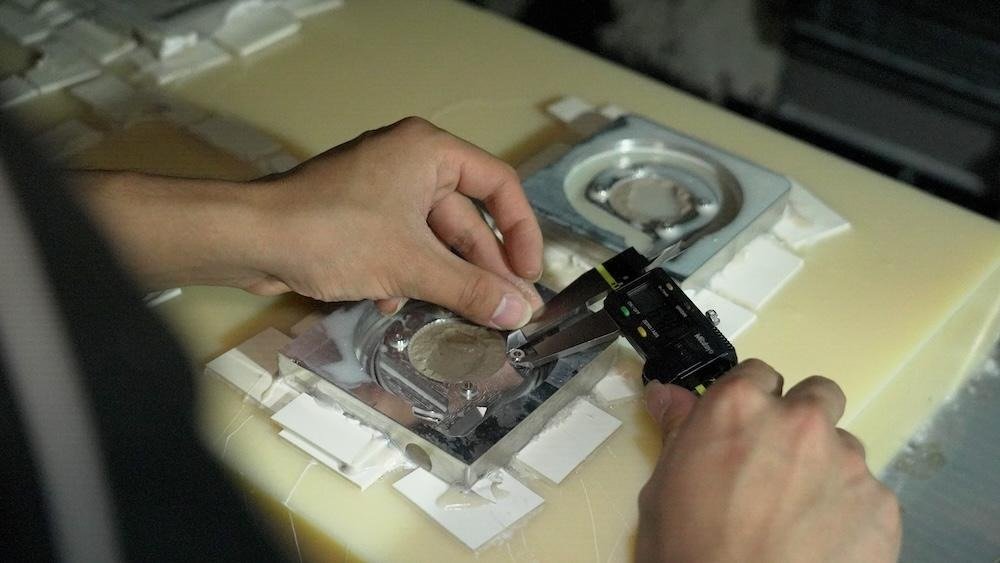
Cutting tools working at high speeds create metal chips that have significant kinetic energy. In CNC milling, turning, and grinding, metal chips are expelled at speeds capable of penetrating the skin and damaging the eyes.
The type of chip created varies depending on the cutting operation. Milling creates discontinuous metal chips, which are deflected in any direction. Turning creates long, ribbon-like metal chips that are whipped in all directions from the workpiece. Grinding produces small particles that become suspended in the air and are respirable.
In addition, standard safety glasses are not sufficiently protective for direct chip exposure. Face shields or chip guards are required for tasks with high chip velocities. Chip management systems, such as conveyors, augers, and chip bins, must also be in proper working order. When these systems are clogged, operators are forced to manually remove the chips, often while the machine is in operation.
The coolant system has an effect on chip management. High-pressure coolant can change the direction of the chips, but it can also break up small chips into the air. Shops using minimum quantity lubrication (MQL) systems have different chip management problems compared to those using flood coolant.
Slips, Trips, and Falls
On machine shop floors, there are multiple slip hazards present at any given time. Oil on the floor from coolant spills creates slippery surfaces with low friction coefficients. Chips are spread throughout the floor, creating another slip hazard. There are also trip hazards due to workpieces, cutting tools, and fixtures. This situation is not changed quickly because cleaning up these hazards affects production time.
The injury potential is not limited to falls. A slipping operator may reach out to regain stability and touch hot surfaces, sharp edges, and rotating objects. The initial slip results in secondary contact injuries that are worse than the fall alone.
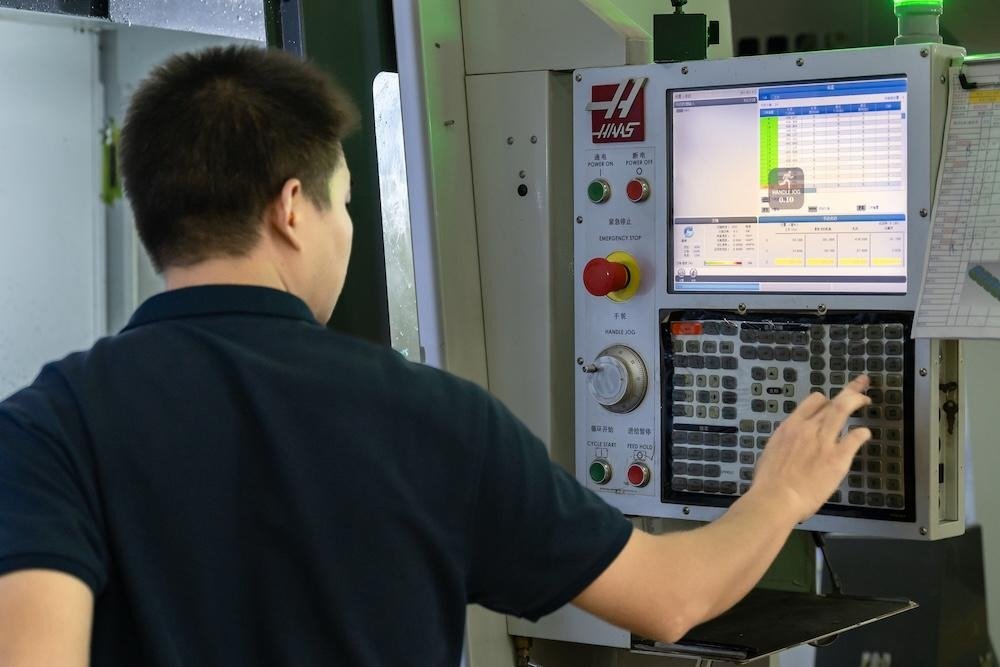
The solution lies in implementing housekeeping practices. It is not sufficient to clean the shop periodically. Shops with good safety records incorporate housekeeping activities in their daily operations. These activities include removing chips at shift changes, immediate response to spills, and clearly marked walkways. These activities reduce the rate of incidents without adversely affecting productivity.
Floor surface selection is a critical decision. Epoxy floors containing aggregate provide better traction than smooth concrete floors. A drainage system to collect coolant prior to spreading can minimize the area of slip. The investment in these types of facilities will help to lower your organization’s liability as well as save time through reduced downtime.
Improper Handling of Tools and Workpieces
Manual handling of heavy workpieces, sharp hand tools, and clamping devices contribute to both cumulative injury and acute injury. Lifting heavy workpieces causes injury when workpieces are beyond an employee’s capacity to lift safely or when an employee has to position themselves awkwardly to grasp the workpiece for lifting, and/or perform the same motion repeatedly. Sharp tool injuries occur due to employees manually clamping, changing tools, or inspecting them.
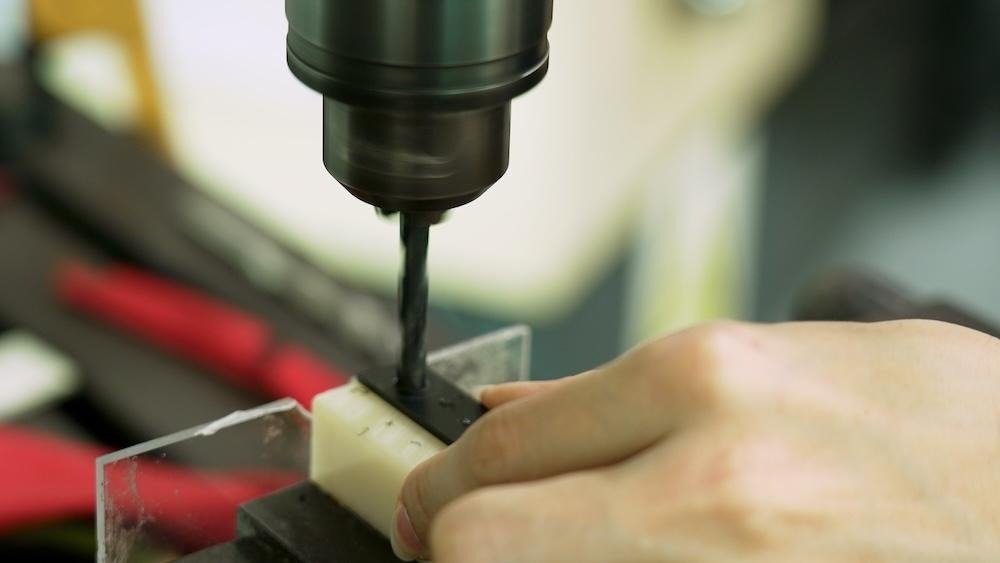
The root cause of this issue lies in fixture design. The need to manually place workpieces into tight spaces leads to awkward postures. The clamping mechanism, too, sometimes requires precise movement of the clamping bar while supporting the weight of the workpieces, which leads to awkward postures.
The ergonomic solutions to this issue involve providing mechanical assists for workpieces weighing over 25 kilograms, quick-change tooling systems, and fixture redesign to allow for neutral postures. These solutions reduce injuries as well as improve efficiency.
Tool handling practices need to be enforced. In some cases, workers may carry sharp tools unprotected to save time. The importance of protecting tools from cuts should be emphasized. The handling of tools should be done with care to reduce accidents. The importance of tool handling relates to the overall safety of the workshop.
Lack of Training and Safety Awareness
Being technically proficient in handling machines does not mean one understands the hazards involved. One may be good at programming and setting up machines but may still not understand the hazards involved. This leads to situations where even experienced workers may take risks unknowingly.
The effectiveness of training depends on the method. In-class training on safety procedures is not effective in retaining knowledge. On-the-job training, assessment, and regular training with updated data on incidents are effective. Shops that invest in a training program on safety have lower rates of injury.
The reporting of near misses is an effective tool in identifying gaps in training. If there is no punitive action on reported near misses, patterns are established that can be addressed in training. Shops that use near misses as an opportunity for investigation, not a policy infraction, have a group awareness of hazards.
The constant presence of supervisors is important in ensuring compliance. Safety procedures implemented during audits are not implemented during unsupervised operations. Enforcement is essential in ensuring patterns are established.
Conclusion
The failure in machine shop safety comes from the interplay of equipment, environment, and operational demands. All three must be addressed through engineering controls, housekeeping, ergonomic design, and investment in training programs. None of these activities alone would be as effective as when combined in an integrated approach.
Those organizations that treat safety as a component of their production process (as opposed to a regulatory compliance requirement) tend to achieve the greatest success. By developing the disciplined operational procedures that prevent accidents, the same disciplines will result in improved quality and better efficiency. Safety and productivity are not mutually exclusive concepts.
Please Write Your Comments