Natural Stone in Construction: Safe Installation Practices for Stairs, Vanities, and Cladding
Updated: 20-Apr-2026
182
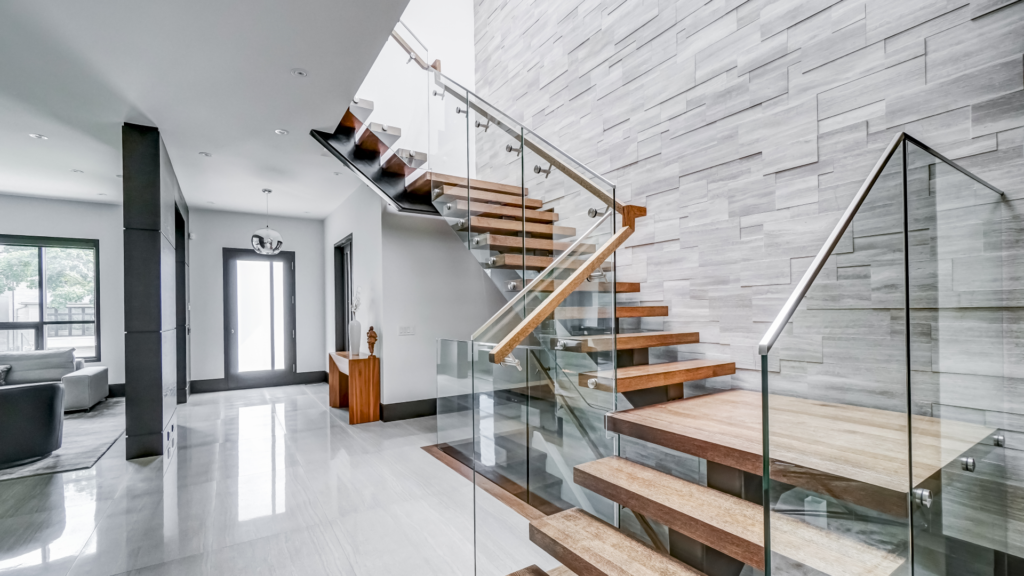
Natural stone is one of the most rewarding materials to work with in residential and commercial construction. It delivers lasting beauty, genuine character, and a sense of quality that manufactured alternatives struggle to match. But stone is also heavy, unforgiving of poor preparation, and subject to performance requirements that demand attention from the earliest stages of a project.
Whether you are installing marble stair treads, fitting a stone vanity basin, or cladding walls and floors with limestone, getting the installation right is about more than aesthetics. It is about safety, structural integrity, and long-term durability. This guide covers three key applications to help builders, contractors, and specifiers deliver results that perform as well as they look.
Marble Stairs: Slip Resistance, Edge Finishing, and Structural Support
A well-built stone staircase is one of the most impressive features in any home or commercial space. It is also one of the most demanding to get right. Marble stairs require careful planning around three critical areas: slip resistance, edge detailing, and load-bearing capacity.

Slip Resistance
Stair treads are high-traffic surfaces where safety must come first. Polished marble, while visually striking, can become dangerously slippery, particularly when wet or in socked feet. For stair applications, honed, brushed, or leathered finishes are strongly recommended. These surface treatments provide better grip underfoot without sacrificing the natural beauty of the stone.
In Australia, stair treads need to meet slip resistance standards outlined in the Building Code of Australia. Testing to AS 4586 provides a classification for wet pendulum and dry floor friction, and the results should guide your finish selection. If the staircase is near a pool area or external entry, slip resistance becomes even more critical. Discuss testing and compliance with your stone supplier before finalising the specification.
Edge Finishing
The nosing profile on each tread is both a safety feature and a design element. A bullnose or pencil-round edge softens the leading edge of the tread, reducing the risk of chipping on impact and providing a more comfortable feel underfoot. Sharp, square edges may suit a minimalist aesthetic, but they are more prone to damage in high-contact zones and can cause injury in a fall.
Work with your fabricator to select an edge profile that balances the design intent with practical durability. On commercial projects, consider adding anti-slip inserts or tactile indicators at stair nosings where required by accessibility standards.
Structural Support
Stone treads are heavy. Marble typically weighs between 25 and 30 kilograms per square metre at 20mm thickness, and that load increases significantly with thicker treads or denser stone varieties such as granite. The staircase framework, whether steel, concrete, or timber, must be engineered to support the dead weight of the stone plus the live loads from daily foot traffic.
Cantilevered and floating stair designs place particular demands on fixings and stringer connections. Always confirm the structural engineer’s specifications before ordering stone, and ensure the substrate is level and properly prepared before installation begins. Setting treads on a flexible natural stone adhesive allows for minor thermal movement and reduces the risk of cracking at joints over time.
Stone Vanity Basins: Waterproofing and Weight-Bearing Support
Bathrooms are demanding environments for natural stone. Constant exposure to moisture, steam, soaps, and cleaning products means that proper waterproofing and substrate preparation are not optional extras. They are fundamental to a lasting installation.
Waterproofing
Before any stone vanity basins are fitted, the surrounding wet areas must be waterproofed in accordance with AS 3740. This includes the wall surfaces behind and beside the vanity, as well as the floor zone beneath it. A suitable waterproof membrane should be applied to the substrate before the stone is installed, and all penetrations for plumbing should be properly sealed.
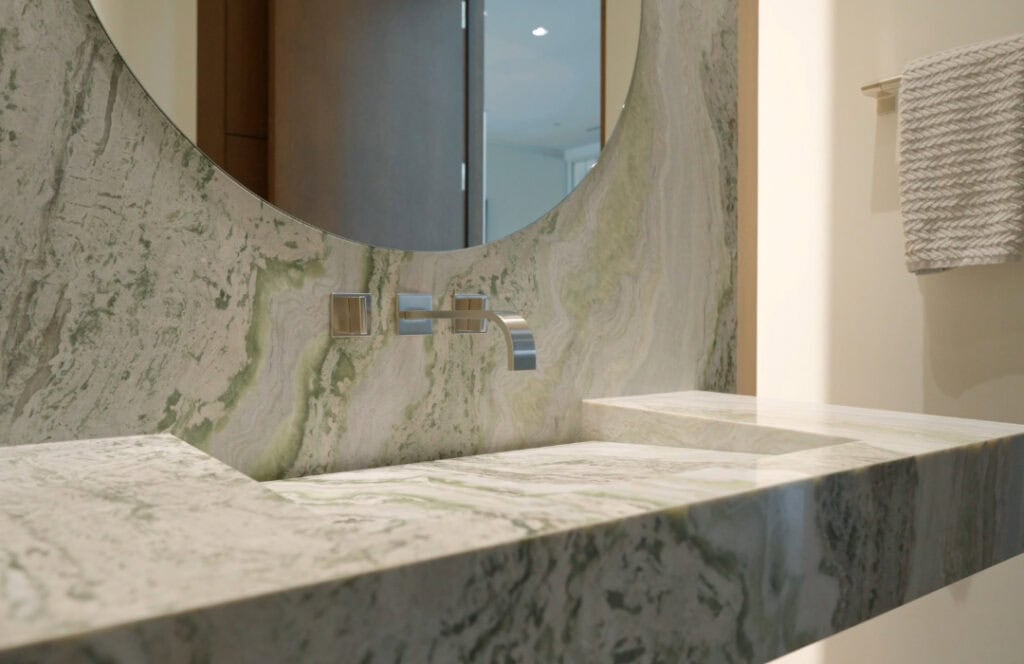
The stone itself also needs protection. Marble and many lighter-coloured stones are porous, and without adequate sealing, they will absorb moisture, soap residue, and cosmetics over time. Apply a quality impregnating sealer to all surfaces of the vanity top, including the underside and cut edges, before final fitting. Advise clients on resealing intervals, which typically range from 12 to 24 months depending on the stone type and level of use.
Weight-Bearing Support
A natural stone vanity top carries considerable weight, and the cabinetry or support structure beneath it must be designed accordingly. Timber-framed vanity units should be checked for rigidity and load capacity, with additional bracing added where needed. If the design includes an undermount basin, the substrate must provide adequate framing around the cutout to support the combined weight of the stone, the basin, and the water it holds.
Check for plumb and level across all support surfaces before the slab arrives on site. Any deviation greater than 2mm should be corrected. During installation, use a flexible adhesive suited to natural stone and wet environments. Colour-matched silicone at visible joints against walls creates a clean finish while accommodating the minor movement that occurs between stone and timber substrates in humid conditions.
Limestone Cladding and Flooring: Handling and Installing Heavy Slabs
Limestone is one of the most versatile stones available for both internal and external applications. Its warm, natural tones and subtle surface texture make it a popular choice for wall cladding, floor tiling, and feature panels in residential and commercial builds alike. However, working with limestone slabs in Sydney, suppliers will tell you that safe handling and correct installation practices are essential to achieving a quality result.
Safe Handling on Site
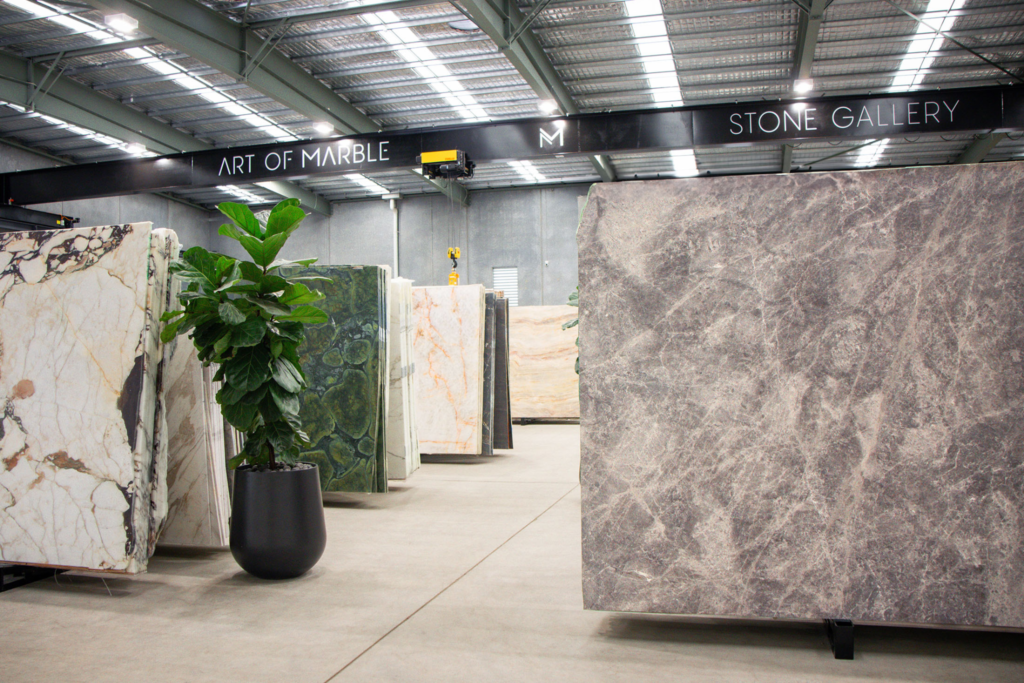
Large-format limestone slabs are heavy and can be fragile along their edges. Plan your delivery and site logistics carefully. Ensure that slabs are transported upright on A-frame racks and that adequate lifting equipment, whether a crane, vacuum lifter, or sufficient manual labour, is available on site for unloading and positioning.
Store slabs on a flat, level surface away from construction traffic and weather exposure. Limestone is softer than granite or quartzite and can chip or absorb moisture from the ground if left unprotected. Keep slabs covered and elevated on bearers until ready for installation.
Installation Guidance
For wall cladding, the substrate must be structurally sound and capable of supporting the weight of the stone panels. Large-format limestone panels should be fixed using a combination of adhesive and mechanical fixings, with the fixing method determined by the panel size, thickness, and wall construction. Consult your fabricator and, where necessary, a structural engineer to confirm that the wall framing or masonry can handle the load.
For flooring, prepare the substrate with a level screed and apply a suitable primer before setting the stone with a flexible, polymer-modified adhesive. Limestone floors benefit from a penetrating sealer applied after grouting to protect against staining and moisture absorption. In wet areas or external applications, ensure adequate fall for drainage and select a honed or textured finish to maintain slip resistance.
Getting It Right from the Start
Across all three applications, the same principles hold true. Invest in accurate measurement, thorough substrate preparation, and quality sealing. Engage specialist stone suppliers early to access expert guidance on material selection, lead times, and installation requirements. The right stone, paired with careful workmanship and safe building practices, delivers results that are as durable as they are beautiful.
Please Write Your Comments