Antique Writing Desk with Flip Top: A Complete Expert Guide
Updated: 20-Mar-2026
23
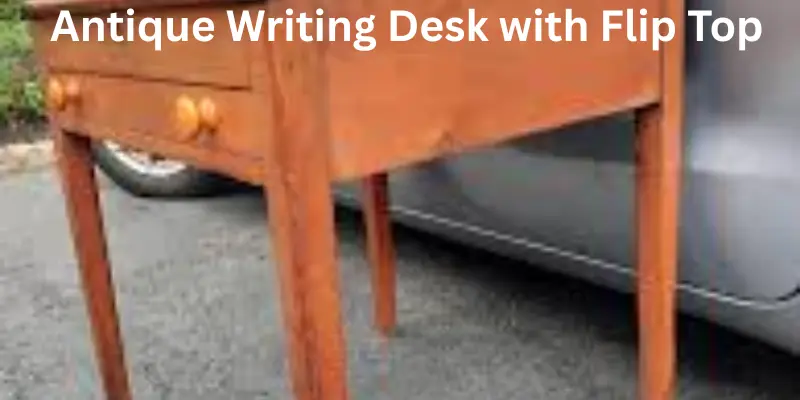
The antique writing desk with flip top represents one of the most intelligent evolutions in historical furniture design—where craftsmanship, privacy, and spatial efficiency converge. Far from simple curios, such desks have an intrinsic link to the developing cultures of literacy, administration, and the home from the 17th century onwards. Flip-top desks themselves are a type of more-general convertible writing desk. A flip-topdesk features a hinged top, and opens to disclose drawers and writing area, or compartments. They appeal to people for two reasons: They are beautiful when closed, and very functional when open. For more history, authenticated findings and unique pieces to add to your collection of antique furniture visit grandboudoir.
Historical Context and Evolution Origins in Bureau and Secretary Forms
The concept of a flip-top desk originates from early bureau desks of the 17th century, which featured hinged writing surfaces that could be opened and closed as needed.
These early desks evolved from chests of drawers, modified with a sloping or hinged front to create a writing surface—an innovation driven by increasing literacy and administrative needs across Europe.
By the 18th century, desk forms diversified into:
- Secretary desks (secrétaire) with drop-front panels
- Slant-top desks with angled writing surfaces
- Early flip and hinged mechanisms allowing concealed storage
This period marked the transition from purely utilitarian furniture to status symbols reflecting education and refinement.
18th–19th Century Refinement
During the Georgian and Victorian periods:
- Flip-top desks became more mechanically refined
- Interiors included pigeonholes, hidden drawers, and document slots
- Exotic woods such as mahogany became dominant due to global trade
The flip-top mechanism also appeared in related forms such as the spinet desk, where a hinged top conceals an inner workspace—demonstrating the era’s fascination with hidden functionality.
Construction, Materials, and Craftsmanship Primary Materials
MaterialCharacteristicsHistorical SignificanceMahoganyDense, rich color, durableWidely used in 18th c. luxury furnitureOakStrong, visible grainCommon in earlier or regional piecesWalnutFine grain, elegant tonePopular in European cabinetryRosewoodExotic and decorativeUsed in high-end commissions
Mahogany, in particular, became a preferred material due to its durability and prestige, especially in British furniture workshops.
Craft Techniques and Joinery
Authentic antique flip-top desks typically exhibit:
- Hand-cut dovetail joints
- Mortise-and-tenon construction
- Original brass hardware and locks
- Shellac or wax finishes
Collectors and institutions emphasize that understanding materials and techniques is essential for authentication, as these elements reveal both origin and age.
Functional Design: Why Flip-Top Desks Were Revolutionary
Flip-top desks addressed several practical needs:
Key Functional Advantages
FeatureBenefitHinged topConverts storage unit into writing surfaceHidden compartmentsProtects documents and valuablesCompact footprintIdeal for smaller interiorsCloseable designMaintains visual order in living spaces
This ability to conceal and reveal workspace made flip-top desks particularly valuable in multi-purpose households, where furniture often served several roles.
Identification Guide for Collectors
Authenticating an antique flip-top desk requires a systematic evaluation.
Key Indicators of Authenticity
ElementWhat to ExamineWhy It MattersJoineryIrregular dovetailsIndicates hand craftsmanshipHardwareOriginal locks, patinaReplacement lowers valueWood agingNatural wear patternsConfirms age authenticityInterior layoutPigeonholes, ink slotsFunctional authenticityHingesWear consistencyReveals long-term use
Experts recommend prioritizing construction integrity over appearance, as reproductions often mimic style but not technique.
Market Value and Investment Perspective
The value of an antique flip-top desk varies significantly based on condition, provenance, and craftsmanship.
Price Overview
CategoryEstimated ValueEntry-level antique€200 – €800Mid-range Victorian desk€800 – €3,000High-end or rare piece€3,000 – €10,000+
Value Drivers
- Original hardware and finish
- Provenance (documented history)
- Maker or workshop attribution
- Structural condition
Working with reputable antique dealers is essential, as they can verify authenticity and provenance.
Comparison with Related Desk Types
Desk TypeMechanismKey DifferenceFlip-top deskHinged topCompact and vertical openingSecretary deskDrop-front panelLarger cabinet structureRoll-top deskSliding tambourNo need to clear surfaceSlant-top deskAngled lidFixed writing angle
Each variation reflects a different approach to workspace concealment and ergonomics.
Common Buyer Mistakes
Even experienced collectors can make errors when purchasing antique desks.
Top Mistakes to Avoid
- Confusing reproductions with originals
- Overlooking structural instability
- Ignoring replaced hardware
- Over-restoring (reducing historical value)
- Buying without provenance
A key expert principle:
“Buy the object you can explain—not just the one that looks old.”
Restoration and Preservation Best Practices
- Use period-appropriate finishes (shellac, wax)
- Preserve original patina whenever possible
- Stabilize structure without altering design
- Avoid aggressive sanding or refinishing
Over-restoration is one of the most common causes of value depreciation in antique furniture.
The antique writing bureau with flip top is a real statement piece; it‘s a cultural treasure. Very well engineered and thoughtfully put together, it‘s possibly the most practical and desirable piece of antique furniture ever made. From coffee table centerpiece, to design icon to functional writing table, the Flip Top has a distinct design narrative. In this guide we learn to identify some of the familiar Flip Top design motifs, woods and markings to provide you with the knowledge to purchase your own and make it your own. If you are interested in learning more, about unique pieces and authentication, I recommend that you see grandboudoir; focused on antique furniture and interior design.
Please Write Your Comments