How to Ensure Safety When Using Industrial Lifting Equipment
Updated: 19-Mar-2026
48
Industrial lifting equipment is essential for transporting heavy materials and machinery on worksites. Whether it’s cranes, forklifts, hoists, or overhead lifts, these tools make heavy-duty tasks manageable and help improve productivity. However, with great power comes great responsibility. The improper use of lifting equipment can lead to dangerous accidents, injuries, and even fatalities.
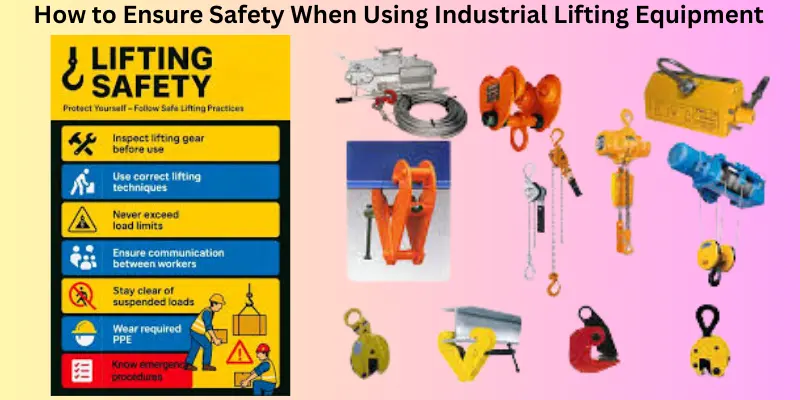
Ensuring safety when using industrial lifting equipment is not just a legal requirement; it is a moral obligation to safeguard workers, contractors, and anyone who might be affected by the equipment’s operation. This guide will walk you through the best practices for ensuring safety, from equipment checks to operational procedures.
1. Understand the Equipment and Its Limitations
Each piece of lifting equipment comes with its specific set of capabilities, limitations, and operational procedures. Understanding these factors is essential before putting any equipment to work.
Key considerations:
- Load Capacity: Never exceed the equipment’s rated load capacity. Overloading is one of the leading causes of equipment failure and accidents.
- Manufacturer’s Guidelines: Always refer to the manufacturer’s manual for operating instructions and maintenance schedules. These guides will also specify any special requirements, such as recommended attachments or operating conditions.
- Environmental Conditions: Be aware of environmental factors that may impact the equipment’s effectiveness, such as high winds, uneven ground, or extreme weather conditions.
Before using any lifting equipment, ensure operators are well-versed in the specific machine and understand its limits.
2. Regular Maintenance and Inspection
Routine inspections and maintenance are critical in keeping lifting equipment safe and operational. Regular checks help identify wear and tear, as well as potential faults before they become hazardous.
Steps for inspection:
- Pre-Operational Checks: Before each use, conduct a pre-operation inspection of the lifting equipment. This includes checking cables, chains, hooks, brakes, and hydraulic systems for signs of wear or damage.
- Routine Inspections: Depending on usage, regular inspections should be carried out weekly or monthly to check the general condition of the equipment, including structural integrity, electrical systems, and load-bearing components.
- Certification: Some lifting equipment may need to be inspected and certified by a qualified professional at regular intervals, depending on local regulations (such as those set by Safe Work Australia).
Make sure to log all inspections and maintenance work to ensure that the equipment is in optimal working condition.
3. Operator Training and Certification
Properly trained operators are crucial for ensuring the safe use of lifting equipment. Only trained and certified personnel should operate these machines.
Key components of operator training:
- General Safety Awareness: Operators should understand general workplace safety and be able to identify common hazards associated with lifting operations.
- Specific Equipment Training: Operators need specific training on the equipment they will be using, including how to operate it safely, identify faults, and respond in emergency situations.
- Regulations and Safety Protocols: Ensure operators are familiar with safety regulations, such as load limits, safe working practices, and fall prevention measures. Additionally, they should know emergency procedures, including how to safely lower loads if something goes wrong.
Regular refresher training and certification renewals are also important to keep operators updated on any changes in equipment, legislation, or safety standards.
4. Conduct a Risk Assessment
Before any lifting operation, it’s essential to conduct a thorough risk assessment. This allows you to identify potential hazards and take measures to minimise them. A risk assessment should cover:
- The Load: Determine the weight, size, shape, and stability of the load being lifted. Unstable loads or those with an unusual shape may need special lifting gear or precautions.
- Worksite Hazards: Identify any hazards in the lifting area, such as obstacles, power lines, slippery surfaces, or uneven ground. Make sure that the lifting path is clear of obstructions and that there’s enough space for manoeuvring.
- Environmental Factors: Check for weather conditions that might affect lifting operations. For instance, high winds can cause instability when lifting large or lightweight objects, while rain or ice can make surfaces slippery.
- Personnel: Assess the potential risk to workers in the vicinity of the lift. Ensure that only those directly involved with the lift are present and that they are kept at a safe distance.
Once the risks have been identified, control measures should be put in place, such as safety zones, exclusion areas, and clear signage.
5. Use the Right Lifting Equipment and Attachments
Using the right lifting equipment for a particular job is key to preventing accidents. Each job might require different lifting gear, such as:
- Cranes: For heavy lifting, especially on construction sites.
- Forklifts: For transporting materials around the site or warehouse.
- Hoists: For smaller lifts, especially in confined spaces or indoor settings.
- Winches: For pulling loads or lifting in difficult locations.
It’s also important to use the correct attachments, such as slings, hooks, and lifting beams. The wrong type of sling or attachment can cause loads to shift or fail. Make sure all lifting accessories are rated for the weight they are carrying and regularly inspected for wear.
6. Implement a Safe Lifting Procedure
Once equipment and personnel are ready, establishing a clear, step-by-step lifting procedure is essential for ensuring safety. This procedure should include the following:
- Clear Communication: Ensure that everyone involved in the lift knows their role. Operators should communicate with signalers or spotters, and the crew should be aware of any potential hazards.
- Load Securing: Before lifting, check that the load is properly secured to the lifting equipment. Improperly secured loads can shift or fall, posing a serious danger.
- Slow and Steady: Lifting should be done slowly and carefully, with smooth movements. Jerky or sudden movements can cause loads to shift or equipment to fail.
- No Overloading: As mentioned earlier, never exceed the weight capacity of the lifting equipment. Always factor in the weight of the load and any attachments.
If multiple lifting machines or teams are involved, coordination between them is essential to prevent mishaps.
7. Safety Gear and Protective Measures
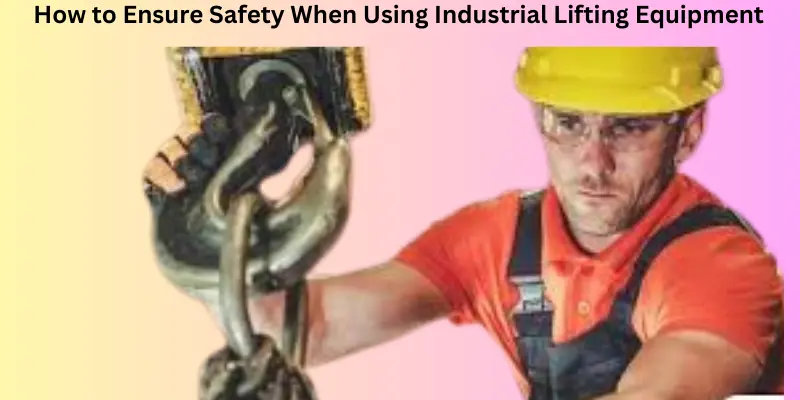
In addition to training and equipment checks, wearing appropriate safety gear is essential for all workers involved in lifting operations. This includes:
- High visibility clothing to ensure visibility in busy work areas.
- Hard hats to protect from falling objects.
- Gloves to protect hands from sharp edges, heat, or chemicals.
- Steel-toed boots to protect feet from dropped loads or machinery.
- Harnesses and fall protection if working at heights.
A comprehensive safety gear checklist should be in place for every lift.
8. Emergency Preparedness
Despite the best precautions, accidents can still happen. Having an emergency preparedness plan is crucial for minimising damage and responding quickly to incidents. Make sure that:
- All personnel are aware of emergency procedures.
- First aid kits and fire extinguishers are accessible.
- Workers are trained in basic emergency response (such as administering CPR, treating burns, or evacuating a site).
- Emergency contact numbers are displayed prominently.
Final Thoughts
Ensuring the safe use of industrial lifting equipment is a multifaceted process involving proper training, inspections, risk assessments, and operational procedures. Adhering to these safety practices will help prevent accidents, protect workers, and ensure your project runs smoothly. Remember, safety is not a one-time checklist but an ongoing commitment to vigilance and continuous improvement. By prioritising safety in lifting operations, you safeguard both your workforce and your reputation.
Please Write Your Comments