When Is the Right Time to Consider a Roof Replacement?
Updated: 12-Mar-2026
185
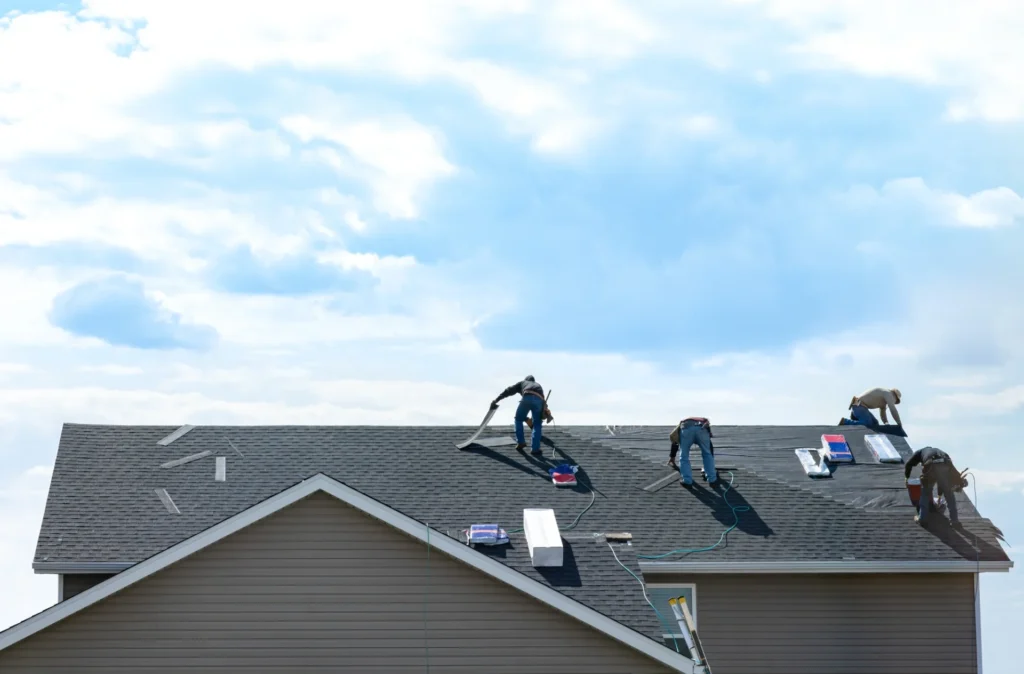
Your roof quietly does one of the most important jobs in your home—protecting everything underneath it. From heavy rain and strong winds to intense sunlight and changing temperatures, the roof stands between your home and the elements every single day. But like every structural component of a house, roofs eventually wear down.
Many homeowners delay replacing their roof because the damage isn’t always obvious. However, waiting too long can lead to costly repairs and even structural issues. Understanding the signs of roof aging and knowing when a replacement may be necessary can help you protect both your home and your investment.
Understanding the Lifespan of a Roof
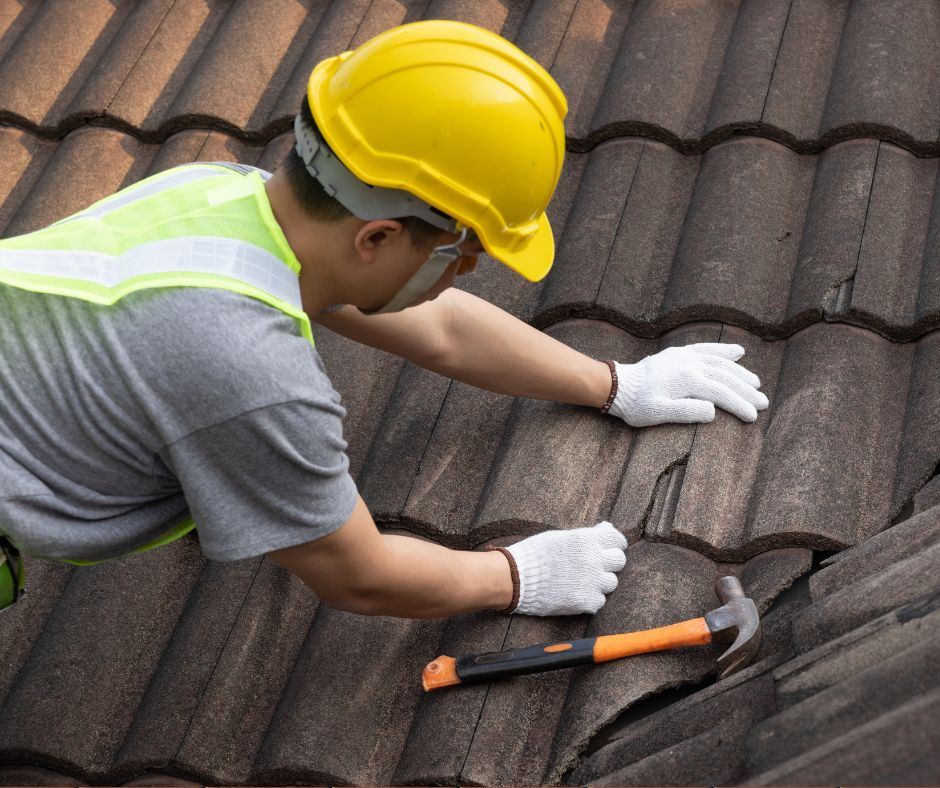
Not all roofs last the same amount of time. The lifespan depends largely on the materials used, the quality of installation, and the environmental conditions surrounding your home.
Here are typical lifespans for common roofing materials:
- Asphalt shingles: 20–30 years
- Architectural shingles: 25–35 years
- Metal roofing: 40–70 years
- Clay or concrete tiles: 50+ years
- Slate roofing: 75+ years
Even the best materials eventually degrade due to constant exposure to weather conditions. UV rays, temperature swings, moisture, and debris all contribute to gradual wear.
Regular inspections help determine whether your roof is still performing well or approaching the point where replacement becomes the smarter option.
Warning Signs Your Roof May Be Failing
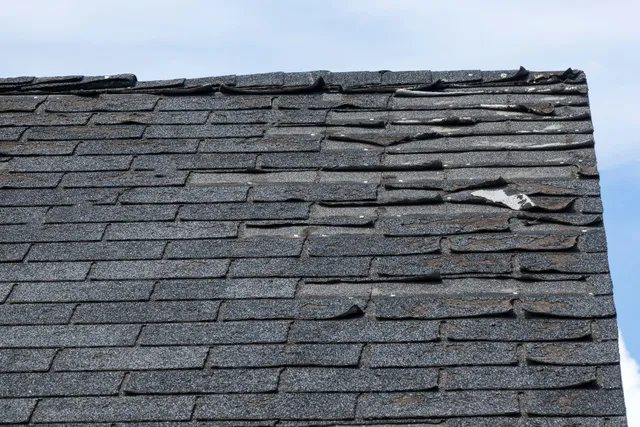
Some roofing issues are easy to spot, while others develop slowly beneath the surface. Paying attention to early warning signs can help prevent serious damage.
1. Missing or Damaged Shingles
Shingles that are cracked, curled, or missing entirely leave your roof vulnerable to leaks. High winds and aging materials often cause shingles to loosen or break.
2. Water Stains or Interior Leaks
One of the clearest indicators of roofing trouble is water appearing inside the home. Stains on ceilings or walls often point to roof leaks that require immediate attention.
3. Granules in the Gutters
If you notice small granules accumulating in your gutters, your shingles may be deteriorating. These granules protect shingles from UV damage, and their loss accelerates roof aging.
4. Sagging Roof Sections
A sagging roofline is a serious structural concern. This can indicate trapped moisture, rotting decking, or weakened support structures.
5. Increased Energy Bills
Poor insulation and ventilation caused by roofing issues can allow heat to escape in winter and enter during summer. This often leads to higher energy costs.
When multiple signs appear at once, it may be time to explore more comprehensive solutions rather than temporary repairs.
Roof Repairs vs. Full Replacement
Not every roofing problem requires a full replacement. In some cases, localized repairs can extend the roof’s life for several years. However, repeated repairs can become expensive if the roof is nearing the end of its lifespan.
Homeowners often consider replacement when:
- The roof is more than 20–25 years old
- Multiple leaks are present
- Storm damage has affected large sections
- Repairs are becoming frequent
- Structural components are deteriorating
Replacing the roof can restore full protection and eliminate ongoing maintenance issues.
The Benefits of a New Roof
A roof replacement is a major home improvement project, but it offers several long-term benefits beyond simple protection.
Improved Home Value
A new roof is highly attractive to potential buyers. It signals that the home has been well maintained and reduces concerns about future repairs.
Better Energy Efficiency
Modern roofing materials and ventilation systems can significantly improve insulation and reduce heating and cooling costs.
Enhanced Curb Appeal
A new roof dramatically improves the appearance of a home. Updated materials, colors, and styles can modernize an older property.
Stronger Weather Protection
New roofing systems are designed to withstand severe weather conditions more effectively than aging materials.
These advantages make roof replacement one of the most impactful upgrades a homeowner can make.
Climate Considerations for Roofing
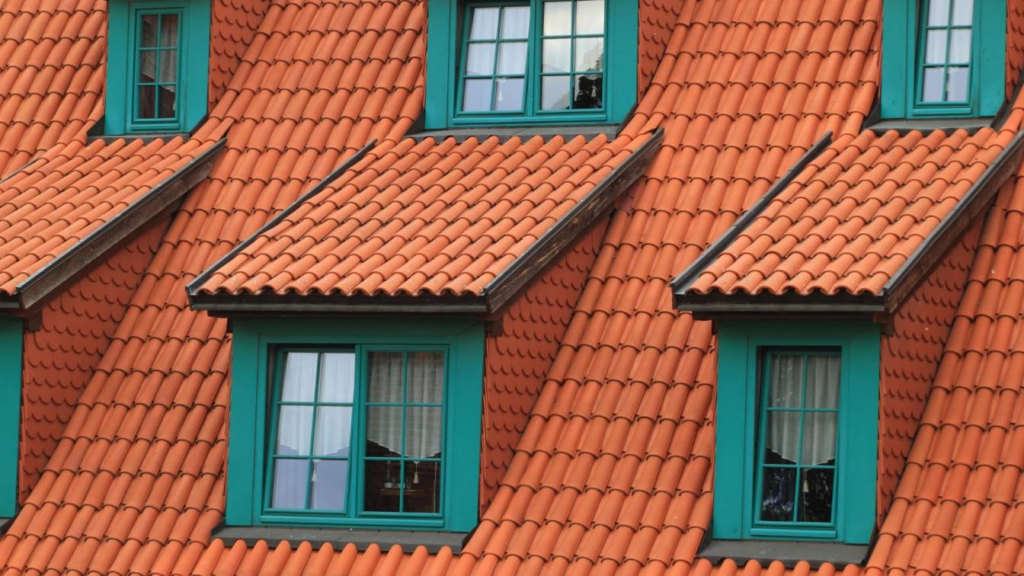
Climate plays a major role in roof performance. In regions with intense heat, sudden storms, and fluctuating temperatures, roofing materials experience more stress.
Hot climates can cause shingles to expand and contract, weakening their structure over time. Severe storms may also loosen flashing, lift shingles, or cause debris damage.
For homeowners researching roofing options and timelines, information about professional services such as roof replacement in San Antonio can help provide insight into what a full replacement project typically involves and how contractors approach long-term durability.
Understanding regional conditions allows homeowners to choose materials and installation techniques that perform well for their specific environment.
Preparing for a Roof Replacement Project
If a replacement becomes necessary, preparation helps ensure the project goes smoothly.
Here are a few steps homeowners can take before work begins:
- Schedule a professional inspection to confirm the scope of work
- Research roofing materials that fit your climate and budget
- Clear the surrounding yard and driveway for contractor access
- Protect items in the attic from dust or debris
- Inform neighbors about potential noise during installation
Most residential roof replacements are completed within a few days, depending on the size of the home and weather conditions.
Maintaining Your New Roof
Once a new roof is installed, proper maintenance can extend its lifespan significantly. Preventative care helps protect your investment and keeps the system functioning effectively.
Recommended maintenance practices include:
- Scheduling annual roof inspections
- Keeping gutters clean and free of debris
- Trimming overhanging tree branches
- Checking for storm damage after severe weather
- Ensuring attic ventilation remains clear
These simple steps can add years to the life of your roof while preventing unnecessary repair costs.
Protecting Your Home for Years to Come
A roof replacement is more than just a construction project—it’s an investment in your home’s safety, efficiency, and long-term value. By recognizing the warning signs of roof deterioration and addressing problems early, homeowners can avoid costly structural damage and maintain a secure living environment.
With proper planning, quality materials, and professional installation, a new roof can provide decades of reliable protection. For many homeowners, it becomes one of the most valuable improvements they make to their property.
Please Write Your Comments