Unfinished Wood Wall Panel: Pros, Cons, Finishing Options and Interior Design Ideas
Updated: 10-Mar-2026
229
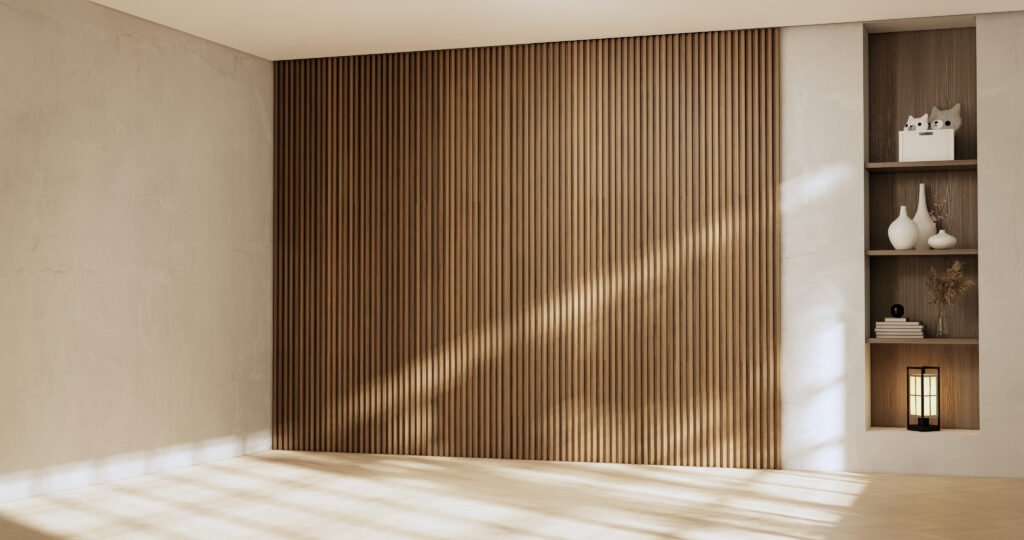
An Unfinished Wood Wall Panel is one of the most flexible and natural-looking interior design materials you can choose for your home or workspace. It brings an authentic and warm feel while giving complete freedom to customize its color, texture and finish. Many homeowners, architects and designers prefer unfinished panels because they allow full creative control, whether someone wants a rustic look, a modern style or a polished, luxurious appearance. By this blog, you will discover the pros, cons, finishing methods and practical design ideas that make unfinished wood panels a timeless interior choice.
What Makes an Unfinished Wood Wall Panel Unique
Unlike pre-finished panels that already come with a factory-applied coating, an unfinished panel arrives in its raw state. This means it has not been stained, painted or sealed. The biggest advantage of this raw condition is customization. You can decide the exact shade, finish, texture and protection level based on your interior style. Another key benefit is that unfinished wood shows its true character. Its organic knots, natural grains and warm color tone become the main highlight of your wall.
The Pros of Using an Unfinished Wood Wall Panel
One of the strongest reasons people choose a Wood Wall Panel is design flexibility. Since it comes without any factory finish, you get the freedom to stain it dark for a bold aesthetic or keep it natural for a soft and airy look. This flexibility allows it to match both traditional interiors and modern minimalist homes.
Another benefit is its long-term durability. When you add your own finish, you have better control over the quality of materials. High-quality oils, sealants or varnishes can protect the wood from scratches, fading and moisture much better than some mass-produced finishes.
Unfinished wood also offers a more natural scent and appearance. The raw material carries the original warmth of timber, giving your space a cozy atmosphere that synthetic materials cannot recreate. If you want a more eco-friendly interior, choosing unfinished panels and applying low-VOC finishes can reduce chemical exposure inside your home.
One more practical advantage is easy repair. If the wall gets scratched or dented, you can sand and refinish the exact spot. Pre-finished panels do not allow such simple spot repairs.
The Cons of Using an Unfinished Wood Wall Panel
While unfinished wood comes with many strengths, there are a few downsides to consider. The first is that it requires more time and effort. Since there is no factory finish, you must stain, seal or paint it before installation or immediately afterward. This takes extra preparation and skill.
Another challenge is cost. Although the material itself may be affordable, finishing supplies such as sandpaper, brushes, oils or varnish can increase overall expenses. You may also need professional help if you are not confident in applying finishes, which adds to labor costs.
Unfinished wood is also sensitive before treatment. Raw wood can absorb moisture quickly, making it important to finish and seal it properly to prevent warping or mold in humid environments. Once properly sealed, however, it becomes much more durable.
Popular Finishing Options for Unfinished Wood Wall Panels
The finishing method you choose will define how your panel looks and performs. One of the most common finishing choices is staining. Wood stains enhance the natural grain while adding rich color tones such as walnut, oak or espresso. Stains are perfect for homeowners who want a warm and elegant style without covering the wood texture.
Painting is another popular method, especially in modern or minimalist homes. A coat of white, black or soft pastel paint can transform the wall into a smooth, clean and contemporary surface. Painted wood panels blend well with Scandinavian and coastal design themes.
If you prefer keeping the natural color, clear varnish or polyurethane is a great option. It protects the surface from moisture and scratches while maintaining the original wood tone. This finish works beautifully in rustic, farmhouse and Japandi-inspired interiors.
For a more natural and eco-friendly approach, many people choose oil finishes such as linseed or tung oil. These oils absorb deeply into the wood and keep the texture soft and organic. They are ideal for creating a raw, natural aesthetic.
Another interesting choice is whitewashing. This technique softens the color of the wood, giving it a beachy or vintage look without hiding the grain. It is a favorite among designers who want a balance between natural texture and light-colored interiors.
Interior Design Ideas Using Unfinished Wood Wall Panels
An Unfinished Wood Wall Panel can transform any room, starting with the living room. When placed behind a sofa or as an accent wall, it instantly adds warmth and depth. If you prefer a peaceful and inviting atmosphere, keeping the panel in a natural finish works beautifully. For a bold and dramatic look, staining the panel in a darker shade creates a luxurious focal point.
In bedrooms, unfinished wood panels bring a calm, organic feeling. A wooden headboard wall with soft lighting creates a cozy and restful environment. Lighter finishes such as whitewashed or natural tones work especially well in small rooms because they make the space feel larger.
Kitchens can also benefit from unfinished wood panels. When used on an accent wall or ceiling, they introduce a natural warmth that pairs well with stone countertops and modern cabinetry. Clear finishes or light stains are the best choices for kitchens because they highlight the wood while still looking clean.
If you want a stylish office or study, an unfinished wood wall helps create a focused environment. Natural wood reduces visual stress and makes the space more comfortable. A matte clear finish or medium stain gives a professional and polished appearance.
Hallways and entryways often look plain, but adding wooden panels can completely elevate these small areas. A vertical panel design makes the hallway look taller, while horizontal patterns add width. Unfinished wood is easy to match with décor elements such as mirrors, metal accents and indoor plants.
For innovative homeowners, unfinished wood panels can even be used in furniture projects or DIY headboards. Since the material is raw, it adapts easily to different shapes and ideas.
Final Thoughts
For anyone who appreciates natural beauty and complete creative control in their interior design, an unfinished wood wall panel is a fabulous option. It takes more work than a pre-finished option, but it’s worth it because you can alter its appearance and get a unique finish. Unfinished wood can fit in perfectly with your style, whether it’s minimalist, modern, or rustic. It can become the most exquisite and striking feature of your house with the correct finish and well-considered design concepts.
Please Write Your Comments