Understanding Foundation Settlement: Causes, Warning Signs, and Solutions for Homeowners
Updated: 10-Mar-2026
13
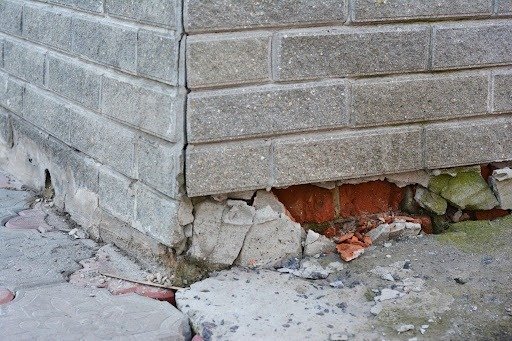
A home’s foundation is designed to provide long-term stability, but over time, many houses experience some degree of settlement. While minor settling is common as buildings adjust to the soil beneath them, excessive foundation movement can lead to serious structural problems if left unaddressed.
For homeowners, recognizing the causes and early warning signs of foundation settlement is essential. Addressing issues early can help prevent larger structural damage, maintain property value, and ensure the safety of the home.
What Is Foundation Settlement?
Foundation settlement occurs when the soil beneath a structure shifts, compresses, or erodes, causing the building to move downward or unevenly. When the movement is uniform, it may not cause noticeable issues. However, uneven settlement—often called differential settlement—can create stress throughout the structure.
This stress can lead to cracks in walls, uneven floors, sticking doors and windows, and other structural distortions. Over time, even small shifts can escalate into major structural concerns if the root cause is not addressed.
Common Causes of Foundation Settlement
Several environmental and structural factors can contribute to foundation movement. Understanding these causes helps homeowners recognize potential risks before problems worsen.
Soil Composition
The type of soil beneath a home plays a significant role in foundation stability. Some soils expand when wet and shrink when dry, causing continuous movement beneath the structure.
Clay-heavy soils are particularly known for this behavior. Seasonal moisture changes can lead to cycles of expansion and contraction that gradually affect the foundation.
Poor Soil Compaction
Before construction begins, the soil beneath a foundation should be properly compacted to support the weight of the structure. If the soil was not adequately prepared, it may compress unevenly after the home is built.
Over time, this compression can cause certain areas of the foundation to sink more than others.
Water Drainage Issues
Excess water around a home’s foundation can weaken supporting soil and lead to settlement. Poor drainage systems, clogged gutters, and improper grading often allow water to accumulate near the structure.
When soil becomes saturated, it can lose its ability to support the weight of the building above it.
Tree Roots and Vegetation
Large trees planted near a home can sometimes contribute to foundation movement. Tree roots absorb moisture from the soil, potentially causing the surrounding ground to dry out and shrink.
This change in soil volume can create voids beneath sections of the foundation.
Aging Structures
Older homes naturally experience gradual shifts as materials age and the surrounding soil settles. While some degree of movement is expected, excessive settling may require professional evaluation and repair.
Warning Signs of Foundation Settlement
Foundation issues often develop slowly, and many of the early symptoms appear inside the home before the problem becomes visible outside.
Homeowners should watch for the following warning signs:
- Cracks in interior walls, especially near doorways and windows
- Diagonal cracks in drywall or plaster
- Uneven or sloping floors
- Doors or windows that stick or fail to close properly
- Gaps between walls and ceilings
- Cracks in exterior brick or masonry
These symptoms may appear subtle at first but can worsen as foundation movement continues.
Why Ignoring Settlement Can Be Risky
Delaying repairs can allow settlement problems to progress, potentially leading to significant structural damage. As the foundation shifts, stress is transferred throughout the building’s framing, walls, and support systems.
Over time, this stress can cause:
Structural Weakness
Cracks and shifts can compromise load-bearing walls and structural supports, reducing the building’s overall stability.
Water Intrusion
Foundation cracks often create entry points for moisture, increasing the risk of basement leaks, mold growth, and water damage.
Higher Repair Costs
Addressing settlement early is usually less expensive than waiting until the damage spreads throughout the structure. Delayed repairs often require more extensive work.
Reduced Property Value
Homes with visible foundation issues are often viewed as risky investments by potential buyers. Even minor structural concerns can impact resale value and complicate the selling process.
How Foundation Settlement Is Typically Addressed
Repair methods vary depending on the severity of the settlement and the underlying cause. The goal of most repair solutions is to stabilize the foundation and prevent further movement.
Common repair approaches may include:
- Installing foundation piers or supports beneath the structure
- Stabilizing soil beneath the foundation
- Improving drainage around the property
- Sealing foundation cracks and reinforcing structural elements
These solutions aim to restore structural stability and prevent future settlement.
Homeowners looking to better understand their options for foundation settlement repair Milwaukee can explore professional approaches that address the root causes of foundation movement rather than just the visible symptoms.
Preventing Future Foundation Problems
While not every instance of settlement can be prevented, homeowners can reduce risks by maintaining proper drainage and monitoring soil conditions around their property.
Maintain Proper Drainage
Ensure that rainwater flows away from the home by:
- Keeping gutters clean
- Extending downspouts away from the foundation
- Maintaining proper yard grading
These steps help prevent soil saturation near the structure.
Monitor Moisture Levels
Extreme fluctuations in soil moisture can contribute to settlement. Maintaining consistent moisture levels around the foundation may help reduce soil expansion and contraction.
Schedule Routine Inspections
Regularly inspecting the home for cracks, sticking doors, or uneven floors can help identify foundation issues early. Early detection allows homeowners to address small problems before they escalate.
Conclusion
Foundation settlement is a common issue that many homeowners face over the lifetime of their property. While some degree of settling is natural, excessive or uneven movement can create serious structural concerns if left unaddressed.
By understanding the causes of settlement, recognizing warning signs, and taking proactive steps to maintain proper drainage and soil stability, homeowners can protect their homes from long-term damage. When structural movement becomes noticeable, learning about reliable solutions for stabilizing and repairing foundations can help ensure the long-term safety and durability of the property.
Please Write Your Comments